
Best led vanity lights for bathroom mirror usually comes down to three things most shoppers overlook: the right size for your mirror, the right color quality for your skin tones, and wiring that matches your bathroom reality.
If you have ever done makeup that looked fine in the bathroom but weird in daylight, or shaved and missed spots because the mirror had shadows, your vanity light is the culprit more often than you think. Bathrooms are unforgiving: glossy tile, steam, and tight spaces make “close enough” lighting feel annoying every single day.
This guide keeps it practical, not brand-hype. You will get a quick spec cheat sheet, a comparison table, and a short list of setups that tend to work in real US homes, whether you have a single-sink 24-inch vanity or a double vanity with wide mirrors.
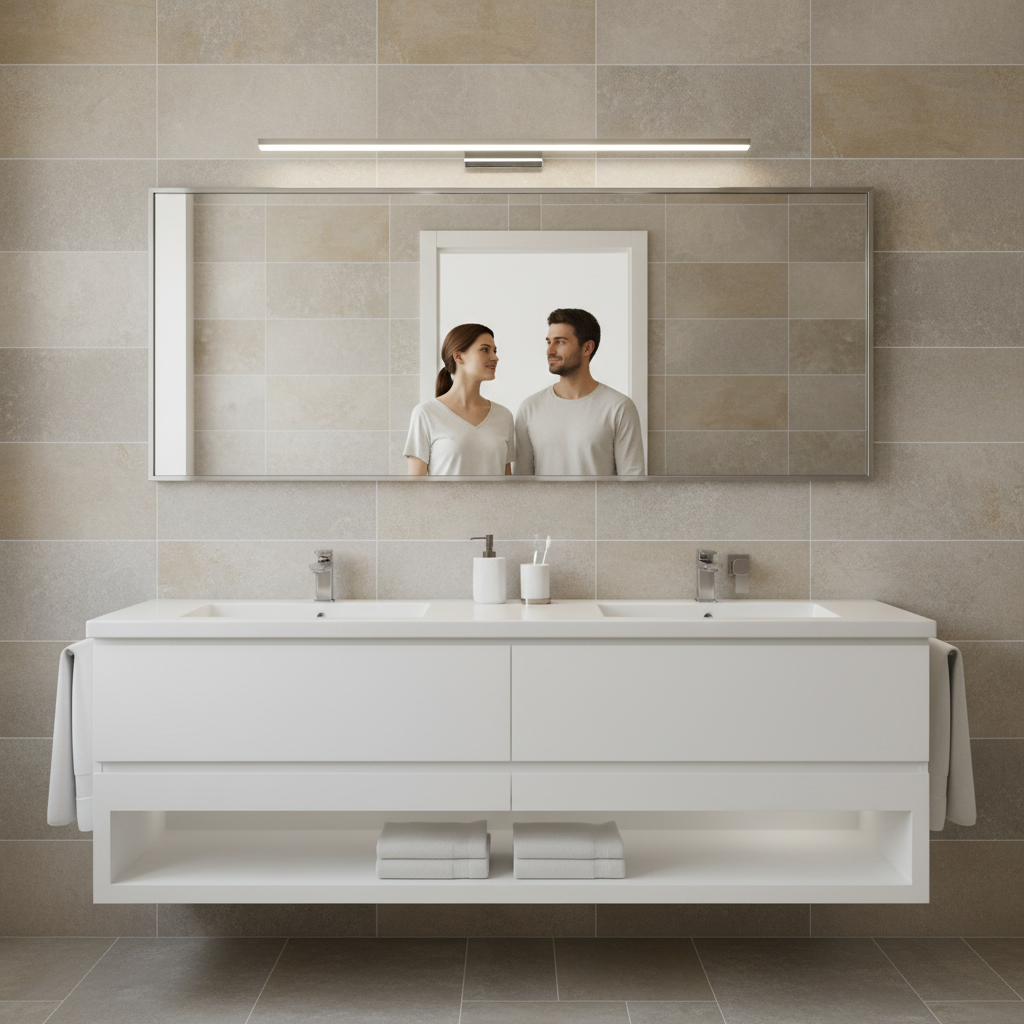
What “best” means for vanity lighting in 2026
In 2026, the “best” LED vanity light is rarely the brightest fixture on the shelf. It is the one that makes faces look natural, fills the mirror evenly, and holds up in humidity. The spec sheet matters, but only if you connect it to your layout.
- Color rendering (CRI): Aim for CRI 90+ if you care about makeup, shaving precision, or accurate skincare checks. Lower CRI can make skin look gray or yellow.
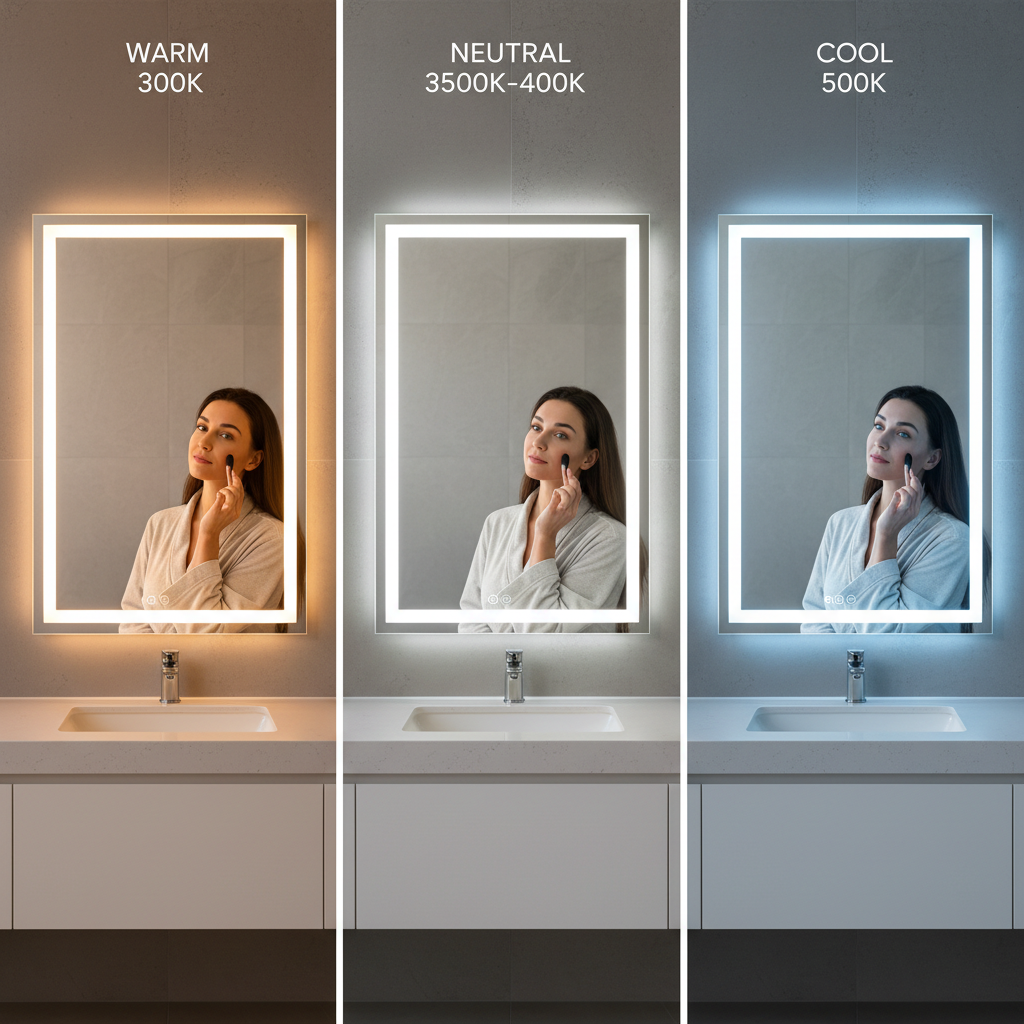
- Color temperature: 3000K feels warm and cozy, 3500K is a balanced middle, 4000K–5000K looks “cleaner” but can feel harsh in small bathrooms.
- Lumens: Enough brightness to avoid shadows, not so much that you squint at 6 a.m. Dimmers help more than people expect.
- Wet/damp rating: Many vanity areas qualify as “damp locations.” This is about longevity and safety, not marketing.
- Glare control: Frosted diffusers, indirect designs, and wider light sources reduce hot spots on the mirror.
According to the U.S. Department of Energy (DOE)... LED lighting typically uses less energy than older technologies, so picking a quality LED fixture can reduce waste heat in a small bathroom and lower long-term power use, though real savings vary by use and rates.
Common bathroom mirror lighting problems (and what causes them)
Most “bad bathroom lighting” complaints trace back to mismatch: fixture size vs mirror size, light direction vs your face, or color temperature vs your wall finishes. Fix the mismatch and the room feels upgraded even if nothing else changes.
Shadowy cheeks and under-eye darkness
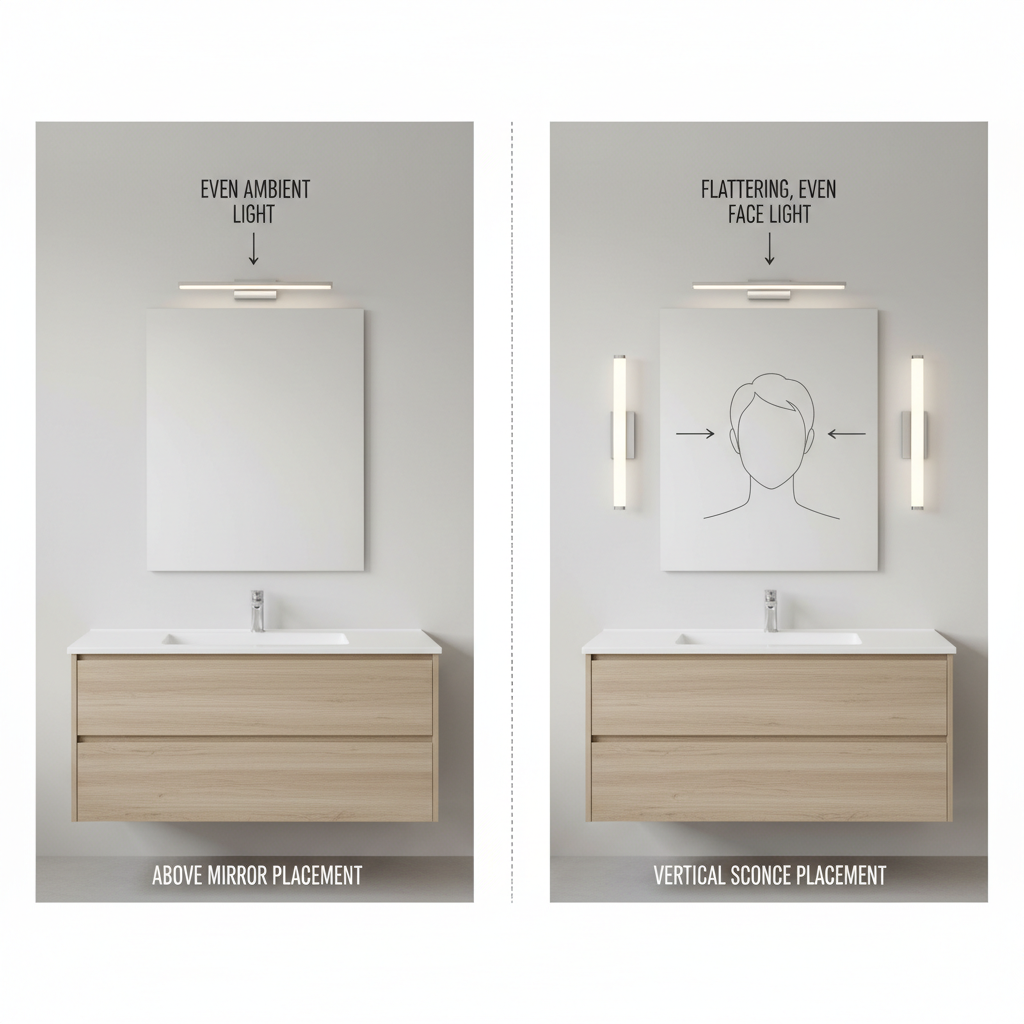
This often happens when the only light source sits above the mirror, especially if it is narrow. Overhead-only lighting tends to cast shadows downward, which is exactly where you do not want them for grooming.
Harsh glare, hotspots, and mirror bounce
Clear glass shades and exposed diodes can produce bright points that bounce off the mirror. In white-tile bathrooms, that reflection can feel like a headlight.
“My skin looks wrong” color issues
Low CRI LEDs and overly cool temperatures can shift how you perceive foundation, concealer, and even redness. If your bathroom has warm paint or brass finishes, a very cool light can look sterile.
Quick self-check: choose the right type in 2 minutes
If you want the best led vanity lights for bathroom mirror in your specific space, start with these quick checks. They prevent the classic mistake of buying a fixture that looks great online but feels off once installed.
- Mirror width: Measure the mirror, not the vanity cabinet. Many mirrors run wider than the sink base.
- Mounting location: Above-mirror only, or can you add side lights (sconces)? Side light usually flatters faces more.
- Existing wiring: One junction box centered above the mirror is common. Two boxes for sconces is less common in older homes.
- Ceiling height: Low ceilings amplify glare and reflection.
- Who uses the bathroom: Makeup, shaving, contact lenses, kids’ nighttime use, all benefit from dimming.
- Finish and style: Chrome, black, brass, and nickel can each shift the perceived warmth of the light.
If you check “above-mirror only” and “single junction box,” look for a wider bar-style vanity light with a diffuser and a dimmer-compatible driver. If you can do sconces, you can prioritize face lighting first and use the overhead as fill.
Spec cheat sheet: what to look for on the box
Specs are boring until they save you from a return. Here is the short list that actually predicts satisfaction.
- CRI 90+ for better skin-tone accuracy, especially if you do makeup often.
- 3000K–4000K for most homes; 3500K is a safe “not too warm, not too blue” pick.
- Dimmable with your switch type. Many bathrooms still use leading-edge (triac) dimmers, but some LEDs behave better with ELV. If you are unsure, ask an electrician or check the fixture compatibility notes.
- Output range: Roughly 1200–2500 lumens total for typical single vanities, higher for double vanities, but layout changes everything.
- Damp rating and sealed construction for longevity in steamy bathrooms.
- Replaceable vs integrated LED: Integrated looks sleek, but when it fails you often replace the whole fixture. Replaceable bulbs can be easier long-term, though bulb quality varies.
Comparison table: picking by bathroom size and mirror width
Use this as a starting point, not a law of physics. Reflective surfaces, wall color, and shade design can swing the result quite a bit.
| Bathroom setup | Mirror width | Typical fixture approach | What tends to work well |
|---|---|---|---|
| Single sink, compact | 20–30 in | 1 bar light above mirror | 18–24 in diffused bar, 3000K–3500K, dimmable |
| Single sink, standard | 30–42 in | Wider bar or 3–4 light fixture | 24–36 in bar, or multi-light with frosted shades, CRI 90+ |
| Double vanity, wide mirror | 48–72 in | Long bar or two fixtures | Two 24–36 in bars, or one long high-output bar plus dimmer |
| Makeup-focused setup | Any | Side sconces + softer overhead | Two vertical sconces at face height, 3500K, high CRI |
Best setups by real-life scenarios (what to buy conceptually)
Rather than pretending one fixture fits everyone, these are the purchase “profiles” that tend to make people happy after the install. If you are searching for best led vanity lights for bathroom mirror, match your bathroom to the scenario and shop within that lane.
Scenario A: You only have a center junction box above the mirror
- Choose: A wide LED vanity light bar with a diffuser (no exposed points of light).
- Why: Wider sources spread light across the mirror, reducing shadow bands.
- Look for: 24–36 inches for most mirrors, CRI 90+, dimmable driver.
Scenario B: You can add sconces (or already have them)
- Choose: Two vertical LED sconces placed left and right of the mirror, ideally around eye level.
- Why: Side lighting reduces under-eye and chin shadows, the main complaint with overhead-only fixtures.
- Look for: Frosted lens, 3000K–4000K, enough output without glare.
Scenario C: Rental-friendly or “I don’t want electrical work”
- Choose: Plug-in vanity-style lights or high-quality rechargeable mirror lights, if allowed.
- Reality check: Adhesives and humidity are a messy combo, and brightness may not match hardwired fixtures. Still, this can be a meaningful upgrade in many apartments.
- Look for: Stable mounting method, diffused light, and a color temperature you can live with daily.
Installation and buying tips that prevent regrets
This is the unglamorous part, but it saves time. Also, if you are not comfortable with electrical work, it is usually safer to hire a licensed electrician, especially in bathrooms.
- Prioritize dimming: A dimmer often matters more than an extra 300 lumens, because morning and night needs differ.
- Check compatibility: LED flicker can happen with certain dimmers. Many manufacturers publish compatible dimmer lists; if not, ask support before buying.
- Mind the proportions: As a rule of thumb, a fixture around 70–80% of mirror width tends to look balanced, but design taste varies.
- Plan for steam: Damp-rated fixtures and quality finishes hold up better near showers.
- Match finishes carefully: “Brushed nickel” and “satin nickel” can differ. If your faucet is a strong visual anchor, match to that first.
According to the National Electrical Code (NEC) as published by the National Fire Protection Association (NFPA)... bathroom electrical work has specific safety rules and location requirements, so when placement or wiring feels uncertain, bringing in a professional is often the sensible move.
Key takeaways (the fast recap)
- High CRI and a diffused light source usually beat “ultra-bright” for mirror tasks.
- Pick a color temperature you can live with daily, often 3000K–4000K.
- Match fixture width to the mirror, and use dimming to handle morning vs evening.
- When possible, side sconces give more flattering face lighting than overhead-only setups.
Conclusion: what to do next
The best led vanity lights for bathroom mirror is the one that makes your mirror usable in real life: even light across your face, color that feels honest, and a build that tolerates humidity. If you only do one thing, measure your mirror and commit to high CRI with dimming, that single decision removes most of the common disappointments.
If you are shopping this week, shortlist two styles that fit your wiring, then compare them on CRI, color temperature, damp rating, and diffuser design. Your bathroom will feel different the same day you install it.
FAQ
What color temperature is best for LED vanity lights above a bathroom mirror?
For many homes, 3000K to 4000K works well. If your bathroom finishes are warm, 3000K–3500K often feels natural; if you want a cleaner look, 4000K can work, but it may feel harsh in small spaces.
Is CRI 90 really worth it for bathroom mirror lighting?
If you do makeup, shave closely, or care about accurate skin tones, CRI 90+ is usually worth paying for. Lower CRI can still be “bright,” but the color can look slightly off, which is the frustrating part.
How bright should vanity lights be for a small bathroom?
There is no single number because mirrors, tile, and paint reflect light differently. Many small bathrooms do fine with a moderate-output fixture plus a dimmer, so you can go brighter when needed without suffering glare at night.
Should vanity lights go above the mirror or on the sides?
Side placement tends to light faces more evenly, reducing under-eye and chin shadows. Above-mirror lights are common and can work well if the fixture is wide and diffused, but narrow bars often create more shadows.
Are integrated LED vanity lights a bad idea?
Not necessarily. Integrated LEDs can look sleek and spread light well, but when the LED or driver fails, you may replace the whole fixture. If long-term serviceability matters, consider fixtures that use standard bulbs.
Why do my LED vanity lights flicker on a dimmer switch?
Flicker often comes from dimmer incompatibility or a driver that does not handle your dimmer type well. Checking the fixture’s compatible dimmer list, or swapping to a recommended dimmer, usually helps, but an electrician can confirm wiring issues.
Do bathroom vanity lights need to be damp-rated?
In many bathrooms, yes, especially if the vanity area sees frequent steam. Damp-rated fixtures are built to handle moisture better, which can reduce corrosion and premature failures.
Looking for an easier way to narrow it down?
If you are stuck between two sizes or you are unsure whether your wiring supports a bar light, multi-light fixture, or sconces, it can help to share your mirror width, junction box location, and preferred color temperature with a lighting specialist or electrician, you will usually avoid the “buy, install, regret, return” loop.