
Best over the door organizers for bathroom options can turn that awkward, wasted door space into real storage, without drilling into tile or adding another cabinet that crowds the floor.
If your bathroom counters keep collecting skincare, hair tools, extra rolls, and cleaning bottles, you already know the pattern: things look “fine” until one busy morning, then everything feels messy and hard to find.
This guide helps you pick an organizer that fits your door, holds what you own, and doesn’t annoy you every time you open and close the door. I’ll also call out common mistakes, like choosing deep pockets that block the latch, or hooks that scratch paint.
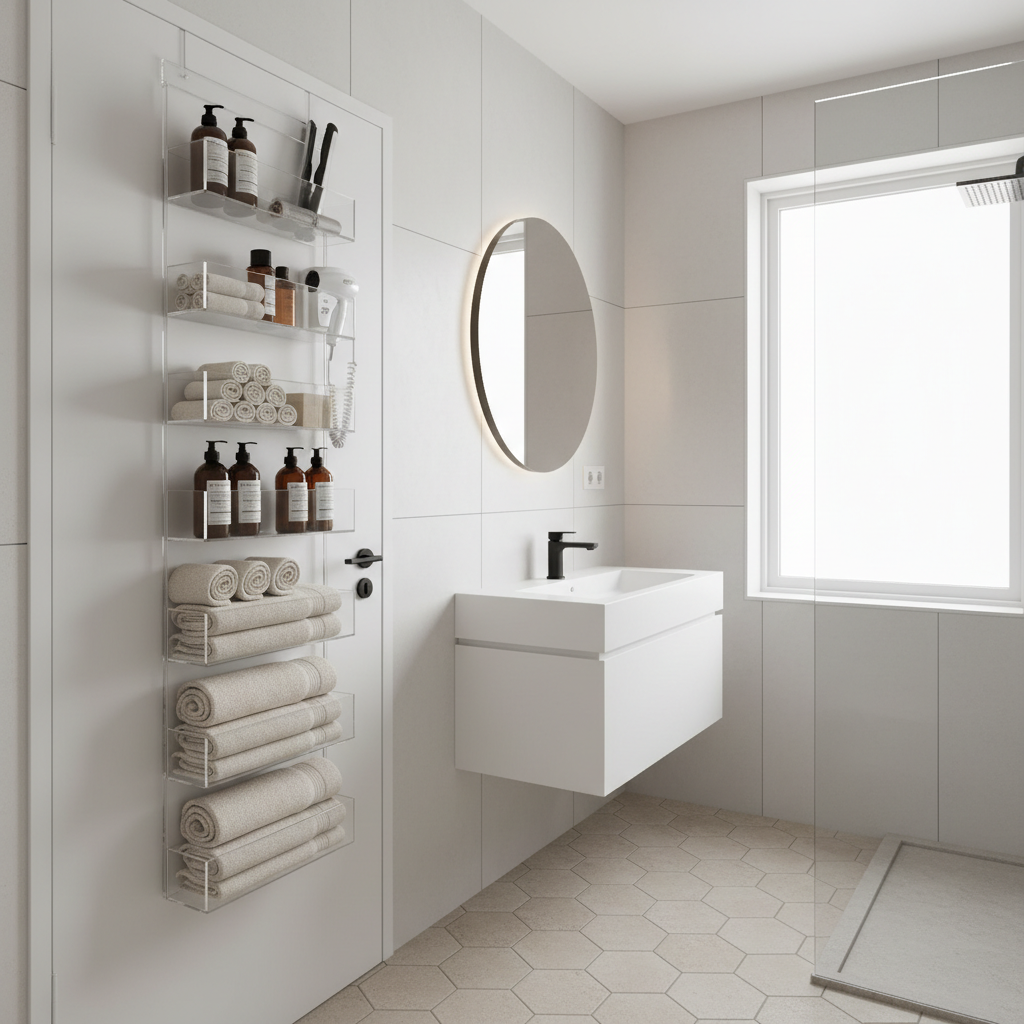
What actually makes an over-the-door organizer “best” for a bathroom
Bathrooms are humid, tight on clearance, and full of oddly shaped items. So “best” usually means a few practical things, not a fancy brand name.
- Door clearance: it must close smoothly without rubbing the frame, hitting trim, or dragging on rugs.
- Moisture tolerance: materials should resist rust, warping, and mildew odor, especially in shared bathrooms.
- Load stability: it shouldn’t swing, rattle, or tilt when you grab something one-handed.
- Right-size storage: pockets, baskets, or shelves need to match what you store, not what looks pretty online.
According to the American Cleaning Institute... moisture control and regular cleaning help reduce mildew growth in damp areas, which is why washable fabrics and wipeable surfaces matter in a bathroom organizer.
Quick comparison table: common organizer types (and who they suit)
Most “best over the door organizers for bathroom” lists mix totally different formats. Use this table to narrow your choice before you shop.
| Type | Best for | Pros | Watch-outs |
|---|---|---|---|
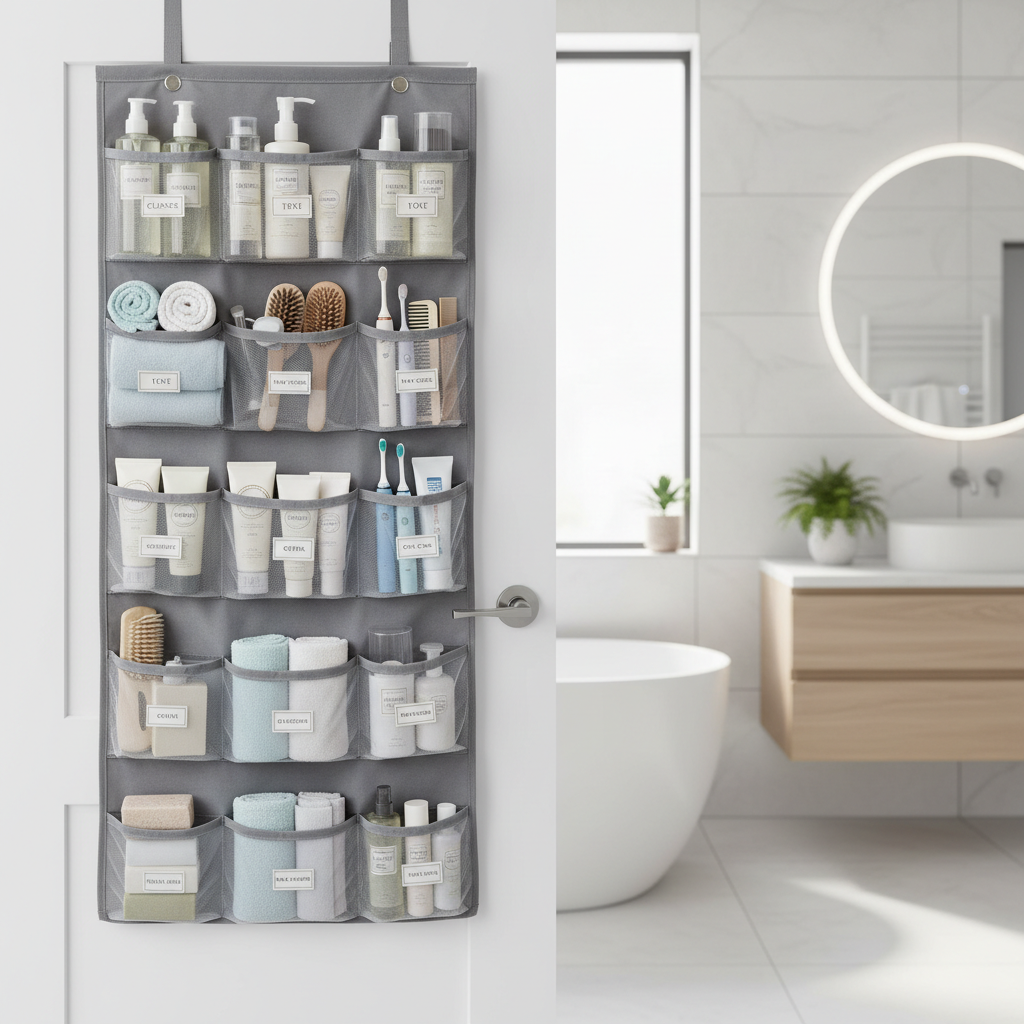
| Fabric pocket organizer | Skincare, brushes, small bottles | Lightweight, inexpensive, easy to label | Can sag, fabric may hold moisture/odors if not washable |
| Metal basket rack | Hair tools, sprays, cleaning supplies | Sturdy, ventilated, easy to wipe down | Rust risk if coating is poor, can rattle |
| Clear plastic pocket organizer | Makeup, first-aid, travel-size items | See-through, wipeable, structured pockets | Plastic can cloud/crack over time, some pockets run narrow |
| Hook-based bar (towel/robe hooks) | Towels, robes, baskets on hooks | Minimal, fast install, easy access | Limited capacity, can stress door if overloaded |
Measure first: the 90-second fit check most people skip
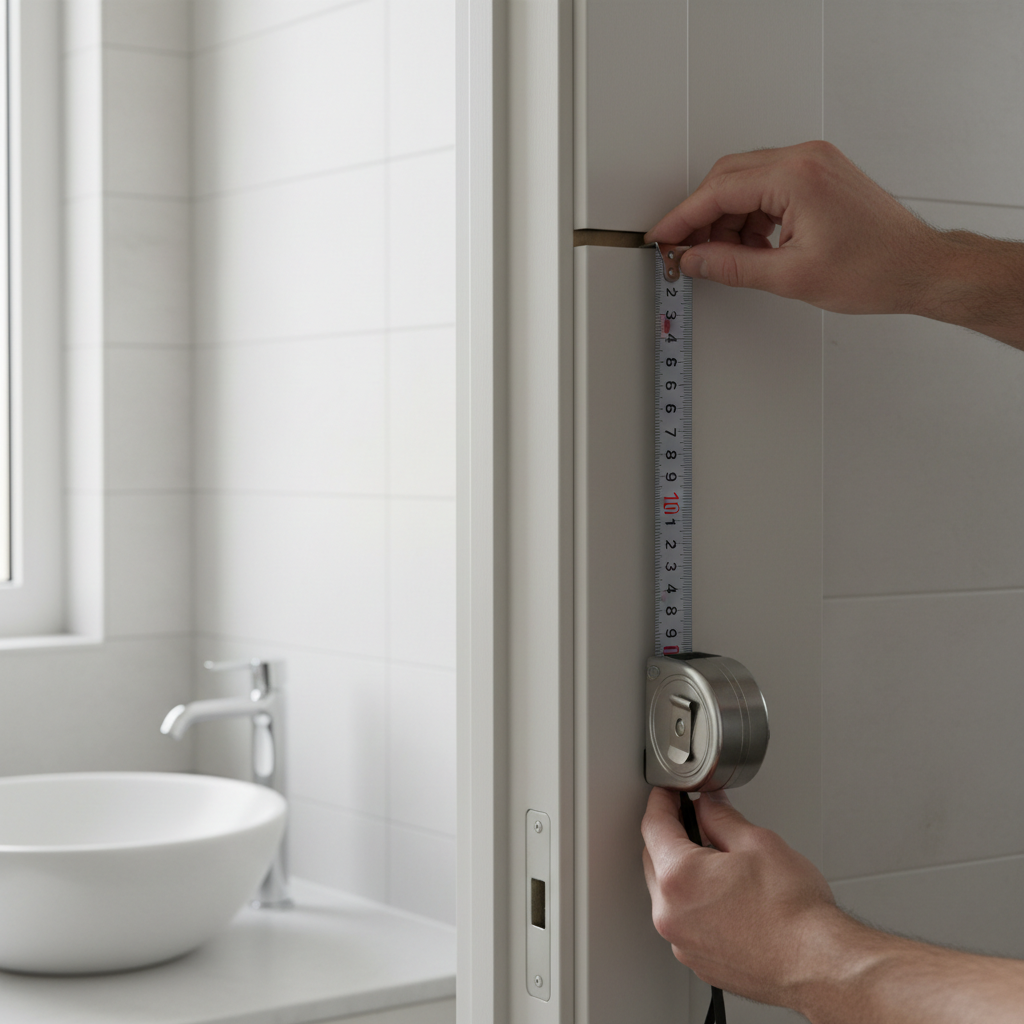
The biggest reason an organizer “doesn’t work” is door fit. Before you buy, check these quickly.
- Door thickness: many hooks fit around 1.25–1.5 inches, but older homes and solid-core doors can vary.
- Top clearance: if the hook is too tall, the door won’t close, or it will scrape the jamb.
- Latch-side space: bulky pockets near the handle can block your hand or hit the strike plate.
- Bottom sweep: long organizers can drag on bath mats or a raised threshold.
If you’re renting, this matters even more, because you want “remove cleanly” options. For many people, the best over the door organizers for bathroom use are the ones that fit quietly, no banging, no friction, no constant adjusting.
Pick the right material for a humid room (without overthinking it)
Humidity is the silent deal-breaker. A product can look perfect on day one, then start smelling musty, rusting, or warping in a few weeks depending on ventilation.
Fabric: go washable, and avoid “forever damp” corners
Fabric pockets work well for lightweight items. Look for washable polyester or canvas, and avoid thick felt-like fabrics in bathrooms that stay steamy.
- Works best: guest baths, powder rooms, or well-ventilated bathrooms.
- Skip it if: you regularly hang wet washcloths inside pockets, or the door sits close to the shower.
Metal: choose coated finishes, and keep drips off
Coated steel baskets feel “premium” because they don’t collapse. Just keep in mind, if the coating chips, rust can start where water sits.
- Works best: hair tools, taller bottles, cleaning sprays.
- Tip: add small silicone pads where metal meets door to cut noise and protect paint.
Plastic: easiest wipe-down, but watch brittleness
Clear plastic organizers are underrated for bathrooms because you can wipe spills fast and spot what you’re out of. They can crack if overloaded or if the plastic is thin.
What to store where: a simple “zone” plan that stays tidy
People usually buy an organizer, then shove everything into random pockets, and the mess returns. Try zoning by use and weight.
- Top zone (light, daily): cotton rounds, deodorant, travel-size lotion, hair ties.
- Middle zone (most-grabbed): skincare routine steps, brush, shaving supplies.
- Bottom zone (heavy, occasional): extra soap, refill pouches, cleaning cloths, backup toothpaste.
If you share a bathroom, one pocket row per person reduces the “who moved my stuff” friction more than you’d expect.
Installation tips that prevent door damage, noise, and constant slipping
Even the best over the door organizers for bathroom setups can become annoying if they slide, scrape, or slam every time the door moves. A few small tweaks usually fix it.
- Add grip: adhesive felt pads or thin rubber strips on the back side where the organizer touches the door.
- Balance the load: keep heavy items centered, not all on one side, so the organizer hangs straight.
- Check hinge clearance: if the organizer crowds the hinge side, it may bind when the door opens fully.
- Heat safety: keep curling irons and hot tools out of fabric pockets until fully cooled, and follow the tool maker’s guidance to reduce burn or fire risk.
According to the National Fire Protection Association (NFPA)... many home fires involve heat sources and electrical equipment, so it’s smart to treat hair tools as “cool first, store second,” even when you’re rushing.
Common mistakes (and what to do instead)
- Buying too deep: deep baskets feel useful but can block door handles or bump the wall behind the door. Pick slimmer profiles for tight baths.
- Overloading hooks: doors aren’t meant to carry unlimited weight. If the door starts rubbing or the latch misaligns, reduce load.
- Storing leaky liquids up high: put refills and cleaners lower, use a small tray or bin if needed.
- Ignoring ventilation: damp towels in closed pockets can smell fast. Use open baskets for textiles, or rotate towels more often.
One more that’s easy to miss: if the organizer sits on the inside of a bathroom door, it can be hit by steam when the shower runs. In that case, ventilated metal baskets or wipeable plastic usually behave better than thick fabric.
When it’s worth getting extra help (or switching solutions)
If your door doesn’t close cleanly after adding an organizer, don’t force it for weeks hoping it “settles.” That can damage the latch, hinges, or frame over time.
- Talk to a handyman or property manager if the door drags, the latch stops catching, or hinges loosen.
- Consider wall-mounted storage if you need to store heavy items like bulk shampoo or large cleaners, especially in a household bathroom.
- Ask a professional if you have accessibility needs, since door swing and reach range can matter a lot and vary by person.
Conclusion: how to choose fast and get the tidy win
The “best” pick is the organizer that fits your door, matches your humidity level, and holds the categories you actually use. If you want the quickest win, measure your door, choose a slim profile, then zone your items so daily essentials stay at hand and backups stay low.
Key takeaways: prioritize door clearance, choose washable or wipeable materials, and add small pads to prevent noise and paint scuffs. Once it feels effortless to use, you’ll keep it organized without thinking.
If you’re deciding today, pick one organizer type, set it up with just your daily items for a week, then expand. That one-week test catches most regrets early.