
How to remove carpet stains naturally usually comes down to two things you can control right now, speed and the right mixture for the specific stain. If you treat most spills early, you can often avoid permanent discoloration and that “it’s still there” shadow that shows up once the carpet dries.
This matters more than people think because carpet is basically a sponge made of fibers, backing, and padding. What you see on the surface is only part of the mess, and the wrong move, like rubbing hard or over-wetting, can push the stain deeper or leave a lingering odor.
I’ll walk you through a realistic at-home approach using common, gentler ingredients, plus a quick way to identify stain types, a practical recipe table, and the few moments when it’s smarter to call in a pro.
Before you start: the 60-second “don’t make it worse” check
Most carpet disasters happen in the first minute, not the first day. Your goal is to remove as much material as possible without spreading it or damaging fibers.
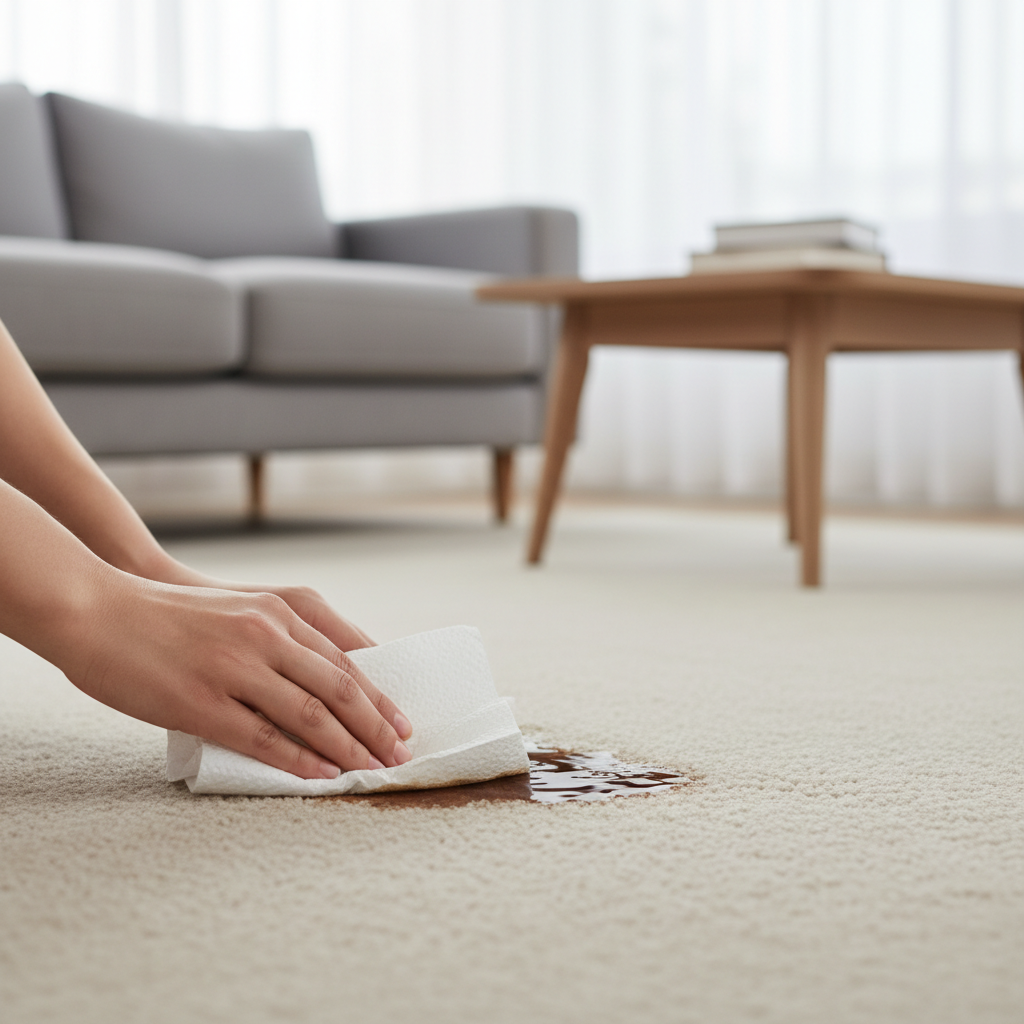
- Blot, don’t rub. Press a clean towel into the spot, lift, repeat. Rubbing can fray fibers and widen the stain.
- Scoop solids first. Use a spoon or dull knife, working from the outside edge inward.
- Test any solution. Pick a hidden corner or closet edge, wait 5–10 minutes, check for color change.
- Know your carpet. Wool and some natural-fiber rugs can react poorly to alkaline cleaners and too much moisture, so stay extra cautious.
According to the American Cleaning Institute (ACI), checking the manufacturer’s care instructions and testing a small, inconspicuous area first helps prevent damage and discoloration.
Figure out what you’re dealing with (stain type matters)
If you’ve tried “one magic mix” and it didn’t work, this is usually why. Different stains bind to carpet in different ways.
Quick stain ID guide
- Protein-based: milk, vomit, blood, egg, urine. Often need cool water and gentle surfactant, heat can set them.
- Tannin/dye: coffee, tea, wine, berries. Often respond well to mild acid and careful blotting.
- Oil/grease: salad dressing, butter, makeup, motor oil. Need an approach that lifts oils before water-based rinsing.
- Combination: tomato sauce, chocolate, gravy. These take a couple rounds and patience.
If you can’t tell, assume it’s combination and start with the gentlest method, then “step up” only if needed.
Natural stain-removal recipes you can actually use (with a simple table)
You do not need a shelf full of products. You need a few basics, used correctly, and a rinse-and-dry step people skip too often.
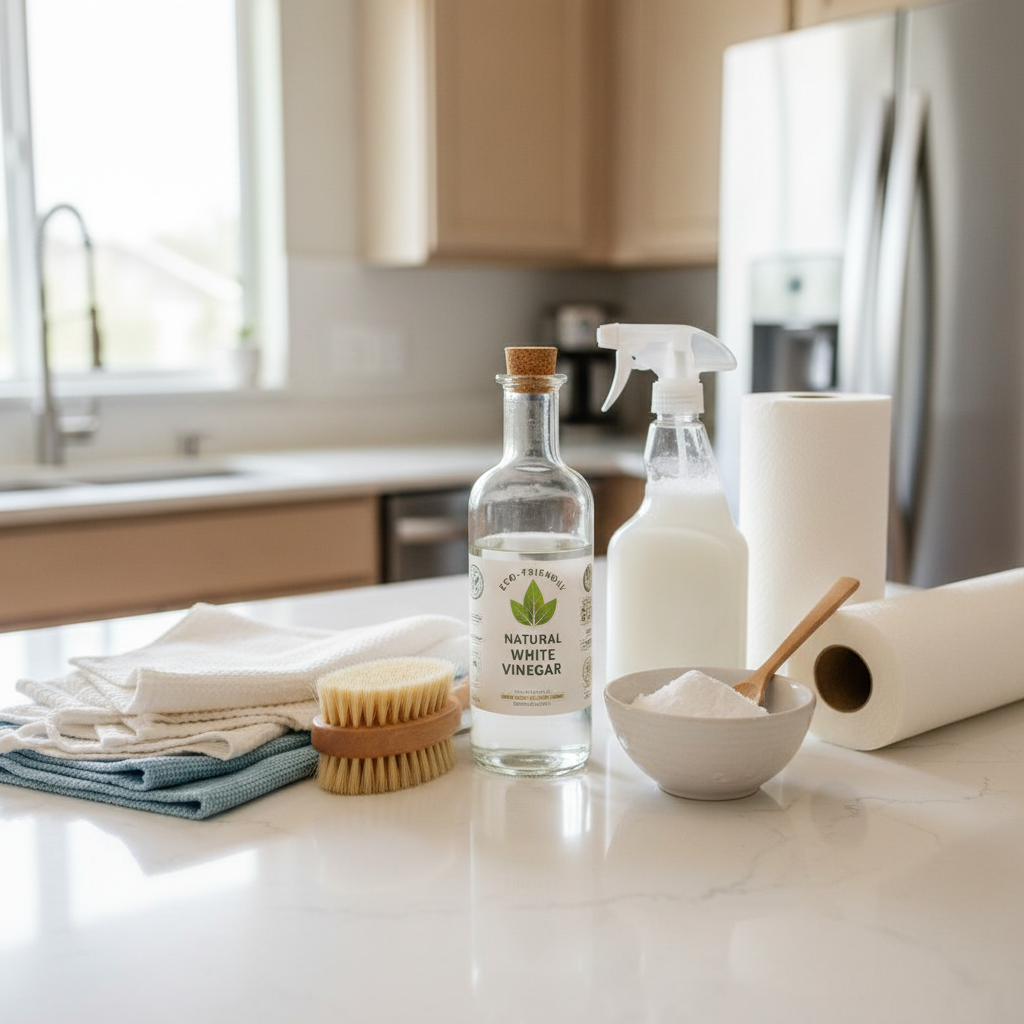
- White vinegar (5%): mild acid, helpful for many tannin stains and odors.
- Baking soda: deodorizing and mild abrasive, best used as a paste or dry treatment.
- Unscented dish soap: helps lift oils and residue when used in tiny amounts.
- 3% hydrogen peroxide: mild oxidizer, can lighten dyes but can also lighten carpet, always patch-test.
Cheat-sheet table: match the stain to the method
| Stain | Best natural approach | Mix | Notes |
|---|---|---|---|
| Coffee/tea | Vinegar + water, then rinse | 1 cup warm water + 1 tbsp white vinegar + 1/4 tsp dish soap | Blot gently, don’t over-soap or you’ll attract dirt later |
| Red wine | Blot + salt, then vinegar mix | Salt to absorb, then vinegar mix above | Salt helps buy time while you mix a solution |
| Grease/makeup | Dish soap micro-dose, rinse well | 2 cups warm water + 1/2 tsp dish soap | Too much soap leaves a dull, sticky patch |
| Pet accident | Cool water + vinegar, then baking soda dry-down | 1 cup cool water + 1 tbsp vinegar | Odor often lives in padding, avoid soaking |
| Ink (water-based) | Alcohol dab (spot test), then rinse | 70% isopropyl alcohol on cloth, tiny amounts | Not “pantry,” but common; keep away from open flame |
| Mystery brown spot | Gentle soap solution, rinse, dry | 2 cups water + 1/4 tsp dish soap | If it reappears after drying, it may be wicking from below |
According to the Environmental Protection Agency (EPA), choosing safer cleaning options and following label directions can reduce indoor exposure to harsh chemicals, especially in spaces with children or pets. Natural doesn’t mean risk-free, but it often means fewer fumes and less residue when used correctly.
Step-by-step: the “natural method” that works for most fresh stains
If you only follow one process, make it this one. It’s slow on purpose, because speed without control is what spreads stains.
1) Remove the excess and blot
- Pick up solids, then blot liquids with a dry towel.
- Work from the outside edge toward the center so you don’t create a ring.
2) Apply a light solution, then blot again
- Lightly mist your chosen mix, don’t pour it on.
- Blot, lift, rotate to a clean towel section, repeat.
3) Rinse the spot (this is where results improve)
- Mist plain water, then blot until towels stop picking up cleaner.
- This reduces residue, which otherwise can attract soil and make the spot look “dirty again.”
4) Dry fast to prevent odor and wicking
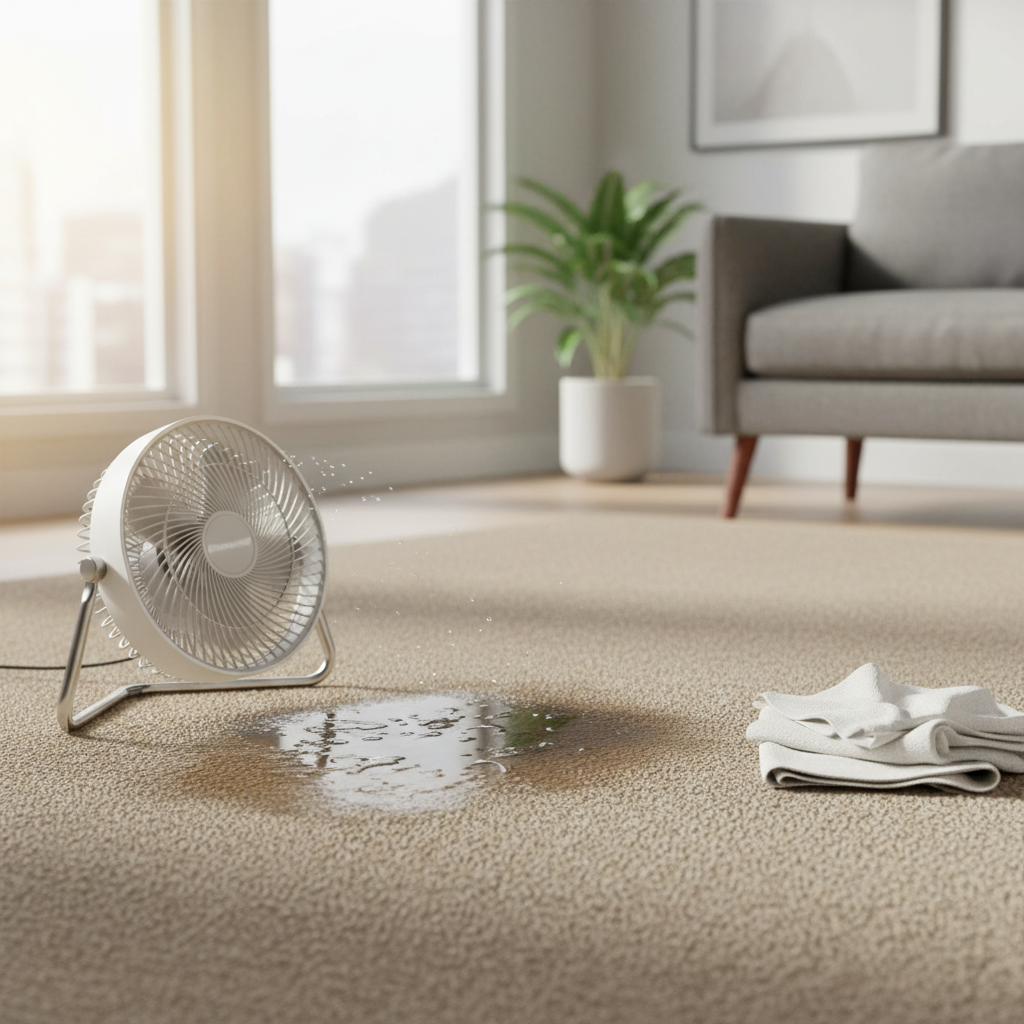
- Press with dry towels, then place a towel with a heavy book on top for 20–30 minutes.
- Run a fan toward the area, keep pets off until fully dry.
Tougher scenarios: what to do when the stain is old or keeps coming back
Older stains often mean the spill reached the backing or padding. That’s when you see a “ghost spot” return after it looks clean, because moisture pulls residue upward as it dries.
If the stain is old and set
- Rehydrate lightly with warm water mist, wait 5 minutes, then blot. Old residue often needs softening.
- Repeat a gentle soap solution cycle, then rinse well.
- Dry with pressure and airflow, then reassess the next day.
If you keep getting a ring (wicking)
- Clean a slightly larger area around the spot, not only the center.
- Use less liquid and more blotting pressure, then dry longer.
- If odor persists, the padding may be involved, surface-only cleaning may not finish the job.
Common mistakes that sabotage natural cleaning
Most “natural cleaning failed” stories come from technique, not ingredients.
- Using too much dish soap. A little helps, a lot leaves residue and can dull fibers.
- Over-wetting. Soaking can loosen backing adhesive, promote odor, or cause wicking.
- Mixing vinegar and baking soda as a cleaner. They foam, then mostly neutralize each other, it’s not useless, but it’s often less effective than using them in separate steps.
- Using hot water on protein stains. Heat can set some proteins, keep it cool to lukewarm for those messes.
- Skipping the rinse. If you leave cleaner behind, the spot can look “back” in a week.
When to stop DIY and consider professional help
There’s a point where repeating home treatments just spreads the problem. If any of these are true, a professional carpet cleaner may save time and prevent damage.
- Large-area pet accidents with ongoing odor, especially on thick carpet with padding.
- Wool, antique, or specialty rugs where color bleed or shrink risk is higher.
- Unknown stains that react oddly, change color, or spread after treatment.
- Health concerns like mold sensitivity or asthma, where a professional assessment may be safer.
If you suspect mold in padding or subfloor, it’s usually wise to consult a qualified professional rather than keep adding moisture at home.
Key takeaways (so you can act fast next time)
- Blot and lift first, rubbing usually backfires.
- Match the method to the stain, one mix won’t handle everything.
- Rinse and dry are half the result, not an optional extra.
- Patch-test hydrogen peroxide every time, color loss is possible.
If you want one simple starting point, keep a spray bottle with a mild vinegar-and-water mix, a tiny amount of dish soap, plus clean towels ready, it covers many everyday spills without harsh fumes.
FAQ
How do I remove carpet stains naturally without vinegar?
You can start with a tiny amount of unscented dish soap in warm water, blot, then rinse well. For odors, baking soda left on dry carpet for a few hours can help, but vacuum thoroughly.
Does baking soda really remove stains or just odors?
Baking soda is more reliable for odor and moisture absorption than for deep stain removal. It can help lift some fresh spills when used as a paste, but most colored stains still need blotting plus a liquid cleaner and rinse.
Is hydrogen peroxide safe on carpet for natural stain removal?
3% hydrogen peroxide is common for spot-treating, but it can lighten some carpets, especially darker colors or certain dyes. Patch-test first, use a small amount, and avoid letting it sit too long.
How to remove carpet stains naturally from pet urine?
Blot as much as possible, use a light vinegar-and-cool-water mist, blot again, then rinse and dry quickly. If the smell keeps returning, the padding may be affected, and an enzyme-based product or professional cleaning may be needed.
Why does my stain come back after it dries?
That’s often wicking, residue below the surface rises as moisture evaporates. Use less liquid, clean a wider area, rinse thoroughly, then dry with pressure and airflow.
Can I use a steam cleaner after treating a stain naturally?
Many home steam cleaners can help rinse and extract, but heat may set some protein stains if used too early. If you’re unsure what the stain is, start with gentle blotting and lukewarm water, then consider extraction.
What’s the fastest natural way to handle red wine on carpet?
Blot immediately, cover with salt to absorb while you work, then use a mild vinegar solution and blot again. Rinse and dry fast, because wine dyes can set as the spot dries.
How often can I spot-clean the same area before damaging carpet?
It depends on fiber type and how much moisture you use, but repeated soaking and aggressive scrubbing are the usual causes of damage. If you’ve done a few careful cycles and it still looks bad, it may be time for professional extraction.
If you’re dealing with recurring spots, pet odors, or you just want a more hands-off routine, a professional deep clean or a targeted spot-treatment plan can be a calmer next step, especially for high-traffic rooms where stains stack up fast.