
How to clean a humidifier to prevent mold comes down to two habits: emptying and drying it often, plus doing a real disinfect-and-descalе clean on a schedule you can stick with. If you wait until you smell something “musty,” you usually end up scrubbing longer, and you might still miss buildup inside tight parts.
This matters because humidifiers create a warm, wet environment where mold and bacteria can grow, and then the mist can spread those particles through a room. According to CDC, mold can cause or worsen respiratory symptoms in some people, especially those with asthma or allergies, so prevention is much easier than reacting later.
I’m going to keep this practical: what causes mold in different humidifier types, a quick self-check to see how urgent your situation is, and a step-by-step cleaning routine you can repeat without turning it into a weekend project.
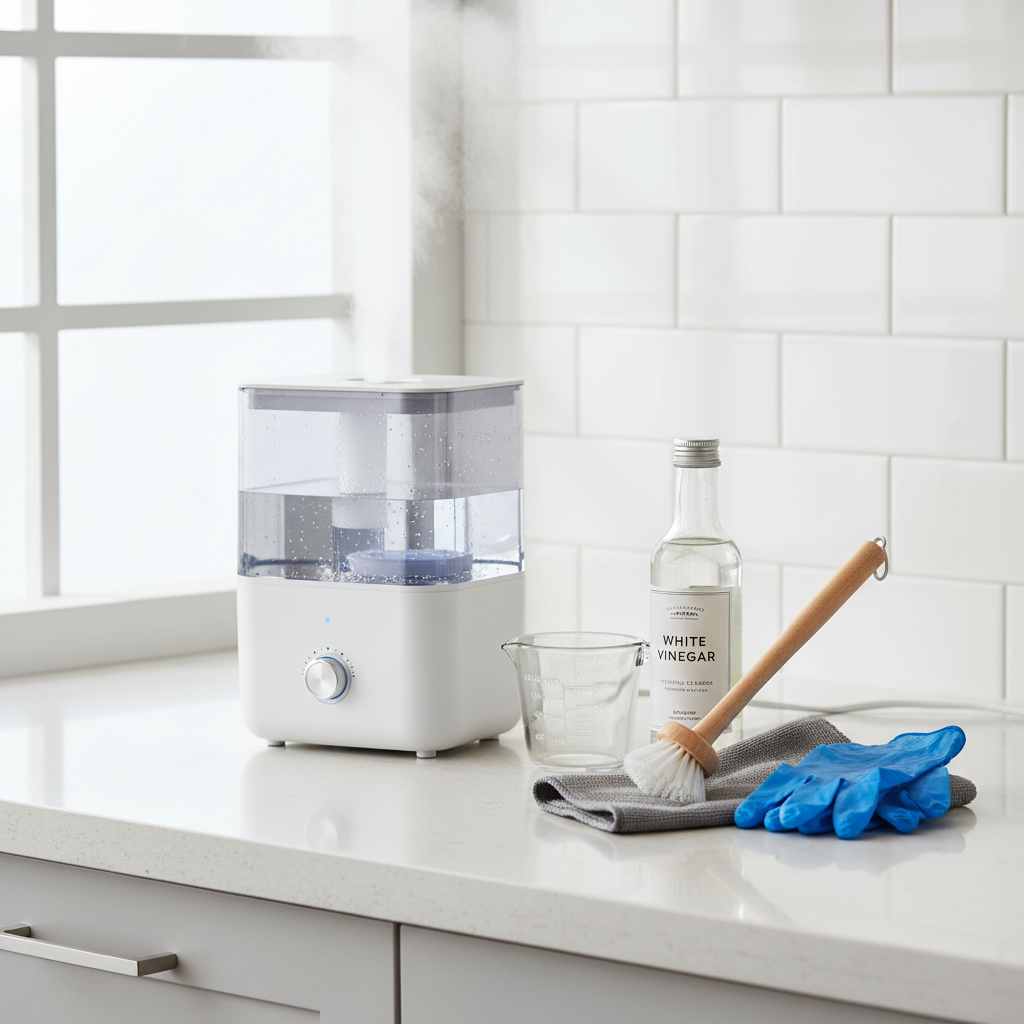
Why humidifiers get moldy (and why it keeps coming back)
Mold problems usually aren’t about “dirty people,” they’re about a few predictable conditions humidifiers create. Once you see the pattern, the fix becomes routine.
- Standing water in the tank or base, even for a day or two, gives spores time to settle and grow.
- Mineral scale from hard water creates a rough surface film that microbes cling to, especially around seams and corners.
- Hidden wet zones like float chambers, mist channels, and gasket grooves stay damp after you dump the tank.
- Over-humidifying a room can leave condensation on windows and nearby walls, which adds more places for mold to take hold.
One more thing people miss: “Looks clean” is not the same as “biofilm-free.” Biofilm is that slippery layer you might feel on plastic; it can protect microbes from quick rinses, so you need soak time and friction, not just hot water.
Quick self-check: how urgent is your humidifier cleaning?
If you’re not sure whether you need a deep clean today or can wait until your normal schedule, this checklist helps you decide without overthinking it.
- Do you smell a musty or sour odor when it runs? That often means growth in the base or mist path.
- Do you see pink/orange slime or dark specks? That’s a red-flag sign to disinfect, not just descale.
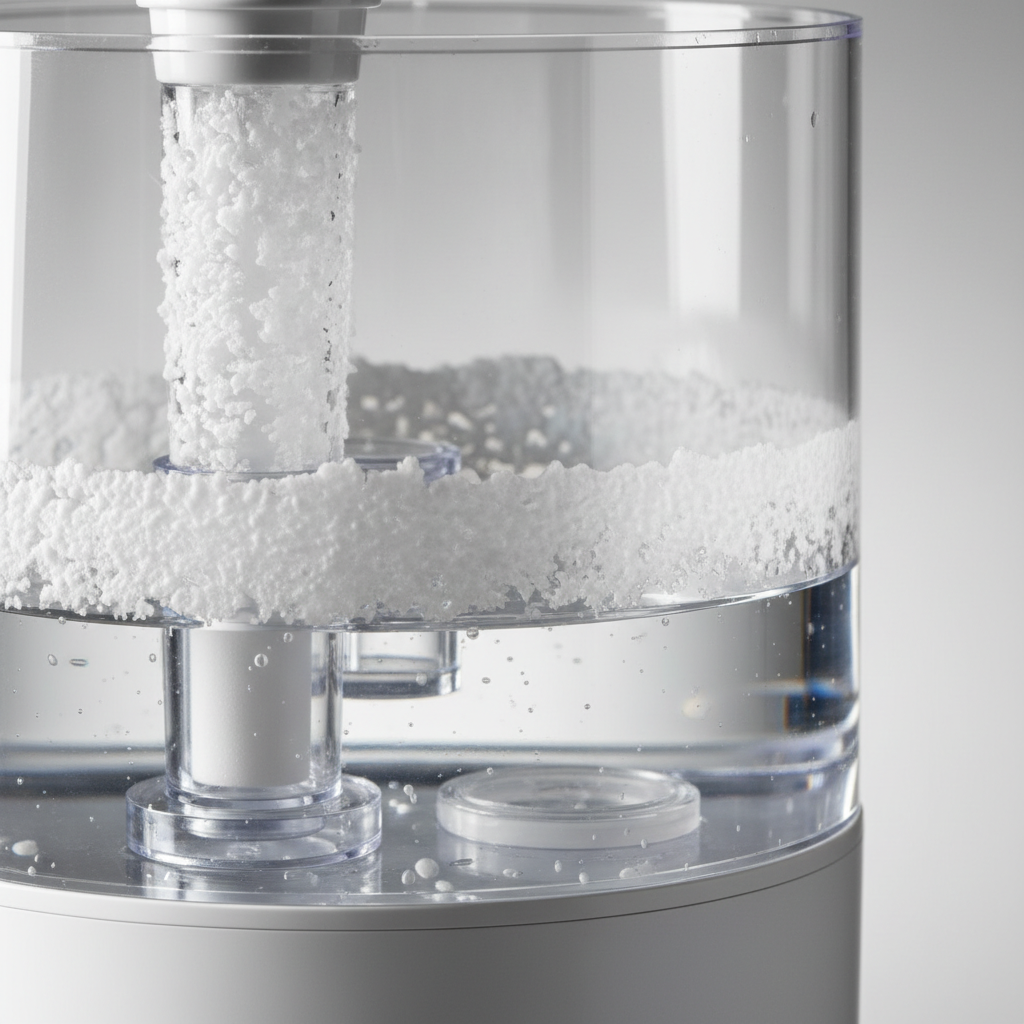
- Is there white crust (scale) around the tank valve, base, or ultrasonic plate? You need a descaling soak.
- Anyone in the home has asthma/allergies, or you’re using it in a nursery? Consider tightening the schedule and keeping humidity in a safer range.
- You haven’t emptied it daily or it sat with water for a weekend? Treat that as “deep clean now.”
If you check two or more, don’t run it “one more night.” Clean it first, and if symptoms persist in sensitive people, it may be worth asking a clinician for advice since indoor air issues can overlap with other triggers.
What to use (and what to avoid) when cleaning
Most manufacturers allow mild acids for scale and a disinfectant step for microbes, but your owner’s manual wins if it conflicts with anything here. According to EPA, disinfectants must be used exactly as the label directs, including contact time and ventilation, so don’t wing it.
Common cleaning options
- White vinegar: great for dissolving mineral scale and loosening film, usually safe for many plastics.
- Hydrogen peroxide (3%): can help with disinfecting in some cases, but check manual for compatibility.
- Bleach solution: effective disinfectant, but only if your manual allows it, and you rinse extremely well.
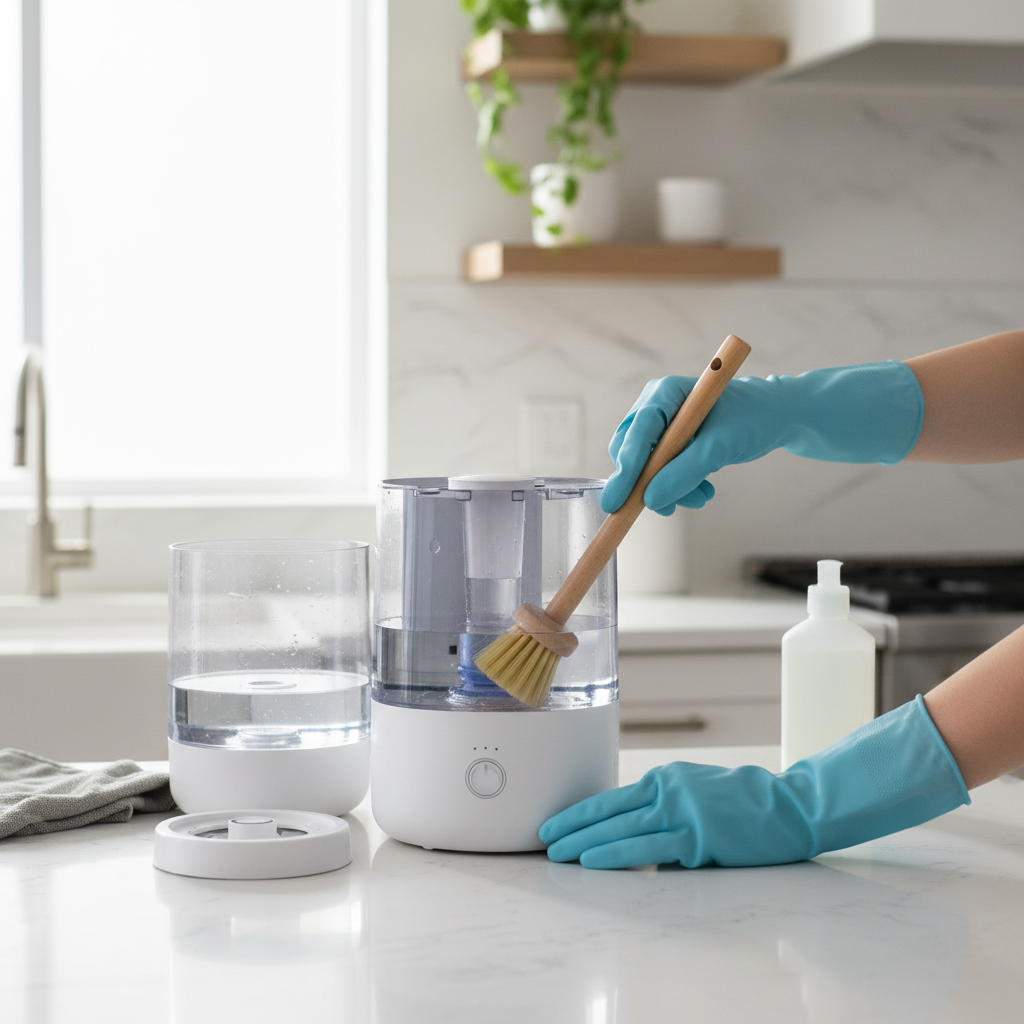
- Soft brush + microfiber cloth: you need gentle friction to break up biofilm in seams and corners.
Things that often cause problems
- Boiling water on plastic parts can warp them, depending on the model.
- Harsh abrasives (scouring pads) can scratch surfaces, making future buildup worse.
- Essential oils in non-compatible humidifiers can degrade plastics and leave residue that traps grime.
- Mixing cleaners (especially bleach with acids like vinegar) can create dangerous fumes, keep steps separate and rinse between.
Step-by-step: the routine that prevents mold (daily, weekly, monthly)
Most people fail at this because they try to do “monthly mega-cleaning” and then avoid it. A lighter routine done more often is what keeps mold from getting a foothold.
Daily or every use (3–5 minutes)
- Unplug the unit, dump any remaining water.
- Rinse the tank and base with clean water, then dry or air-dry with the cap off.
- Refill with fresh water only when you’re ready to run it.
If you do just one thing, do this. Standing water overnight is where a lot of “mystery smell” starts.
Weekly (10–20 minutes): descale + scrub
- Unplug, disassemble what the manual allows, remove filters if applicable.
- Soak scale-prone areas with vinegar (tank and base), letting it sit long enough to soften crust, then brush gently.
- Rinse until you don’t smell vinegar strongly, wipe and air-dry.
Ultrasonic models often have a plate or membrane that collects deposits. If your manual mentions it, clean it gently, because aggressive scraping can damage performance.
Monthly (or after illness / long storage): disinfect
- After descaling and rinsing, apply an approved disinfectant method per the manual.
- Respect contact time; disinfectants need time on the surface to work.
- Rinse thoroughly, then air-dry completely before reassembly.
When people ask how to clean a humidifier to prevent mold, this disinfect step is usually what they skip, then wonder why the smell returns even after “scrubbing.”
Cleaning differences by humidifier type (so you don’t waste effort)
Not all humidifiers get dirty in the same places. The fastest route is to clean the parts that actually harbor buildup for your model.
| Type | Where mold/scale hides | What to focus on |
|---|---|---|
| Ultrasonic (cool mist) | Ultrasonic plate, base corners, mist channel | Descale often, gentle brushing, avoid scratching plate |
| Evaporative (wick filter) | Wick/filter, fan housing, reservoir edges | Replace wicks on schedule, keep fan area dust-free |
| Warm mist/steam | Heating element area, mineral deposits | Descale to maintain output, follow safety steps when cooling |
Evaporative units are sneaky because the filter can look “fine” but smell off. If the wick has discoloration or odor, replacement is often more effective than trying to resurrect it.
Practical habits that keep mold away between cleanings
Cleaning helps, but prevention is mostly about how you run the unit day to day. Small changes reduce how often you need a deep clean.
- Use distilled or demineralized water if hard water is leaving dust or crust. Less mineral load usually means less scale for microbes to cling to.
- Keep indoor humidity in a reasonable range. Many households aim around 30–50%, but conditions vary by climate and building, so use a hygrometer and watch for window condensation.
- Place it with breathing room, not shoved against a wall or curtain where moisture can pool.
- Dry it out when you’re not using it for a day or two, especially before travel.
- Follow filter schedules for evaporative models; filters are not meant to last forever.
One subtle tip: if you refill from a pitcher, wash that pitcher too. Otherwise you keep reintroducing microbes even after you clean the humidifier itself.
Common mistakes that make mold problems worse
These are the “looks logical, works poorly” moves that come up a lot.
- Only rinsing, never disinfecting when there’s odor or visible growth.
- Reassembling while damp, especially sealing a wet tank with the cap tight.
- Using fragrance additives to cover smells; it masks the problem and can leave residue.
- Letting scale build up because it seems cosmetic, then struggling later when the crust turns into a permanent ring.
- Running it 24/7 without checking humidity, leading to damp surfaces around the room.
If your unit has hard-to-reach internal pathways you can’t access, it’s worth taking that seriously. Some designs are simply harder to keep clean, and in those cases a replacement with an easier-to-clean model can be the more realistic “prevention” move.
When to stop DIY and get extra help
If you see persistent mold in the room itself, not just inside the humidifier, cleaning the appliance may not be enough. According to CDC, addressing moisture sources is central to mold control, so if walls, windows, or HVAC areas show growth, consider a qualified indoor air or remediation professional.
- Health concerns: If someone has worsening asthma, wheezing, or unexplained symptoms, consider pausing humidifier use and consulting a clinician.
- Structural moisture: Condensation, leaks, or damp drywall suggests a bigger moisture problem than a device can explain.
- Repeated contamination: If odor returns quickly even after proper cleaning and full drying, the unit may have inaccessible contaminated areas.
And if you ever suspect you mixed cleaners incorrectly or you notice strong fumes, get fresh air immediately and follow product safety guidance, then contact local poison control or emergency services as appropriate.
Key takeaways and a simple plan you can actually follow
If you want the short version, aim for a routine that prevents “standing water + scale + hidden damp.” Empty and dry after use, descale weekly if you have hard water, disinfect monthly or whenever you notice odor or visible growth, then keep room humidity in check.
Tonight’s action: dump the tank, rinse, and air-dry the parts. This week: do a vinegar descale and a scrub of seams and corners. If you stick to that rhythm, most households find they spend less time fighting smells and more time just enjoying the humidifier.
FAQ
How often should I clean a humidifier to prevent mold?
For most homes, a quick empty-and-dry every day you use it plus a weekly descale works well, then a disinfect step about monthly. If you have hard water, pets, or anyone sensitive to allergens, many people tighten that schedule.
Is vinegar enough, or do I need bleach?
Vinegar is great for mineral buildup and can help loosen grime, but it’s not always the right tool for disinfection. If you have odor or visible growth, follow your manual for an approved disinfect method, and avoid mixing products.
What if my humidifier has black specks in the base?
Treat it as a “deep clean now” situation: descale, then disinfect per instructions, rinse thoroughly, and dry fully. If specks return fast, the contamination might be in areas you can’t access, and replacement may be more practical.
Can I run a humidifier with tap water?
You can, but hard tap water often leaves more scale, which can contribute to recurring issues and white dust in some ultrasonic models. Distilled water usually reduces buildup, so it often saves effort even if it costs a bit more.
Why does my humidifier smell even after I cleaned the tank?
The smell often comes from the base, mist channel, gasket grooves, or an old wick filter, not the tank walls you can easily see. Focus on hidden seams, allow soak time, and make sure everything dries before reassembly.
Should I use essential oils to make it smell better?
Only if your specific model is designed for it, many aren’t. Oils can leave residue that traps dirt and can damage plastics, so check the manual and consider a separate diffuser if you want scent.
What humidity level helps reduce mold risk in the room?
Many households try to keep indoor humidity around 30–50%, but it varies by climate and home insulation. A small hygrometer plus watching for window condensation is a practical way to avoid pushing the space too damp.
How do I store a humidifier so it doesn’t get moldy in the closet?
Clean it, disinfect if your manual recommends, rinse well, then dry completely with parts separated before storage. Storing even slightly damp components is a common reason mold shows up next season.
If you’re dealing with a humidifier that keeps getting funky no matter how carefully you clean, you may want a model with fewer crevices, dishwasher-safe parts, or a design that opens the base for access, it’s not about buying “fancier,” it’s about buying something you’ll actually maintain without dread.