
diy planter ideas for outdoors sound simple until your first container warps in the sun, stains your patio, or drowns your herbs after one heavy rain. The good news is most “failed planters” come down to a few fixable details: drainage, material choice, and where the pot actually sits.
This guide focuses on outdoor-and-garden-friendly builds you can finish in a weekend, plus the small decisions that keep them looking good through heat, wind, and watering. You’ll get practical options for tiny balconies, front-porch curb appeal, and full backyard beds.
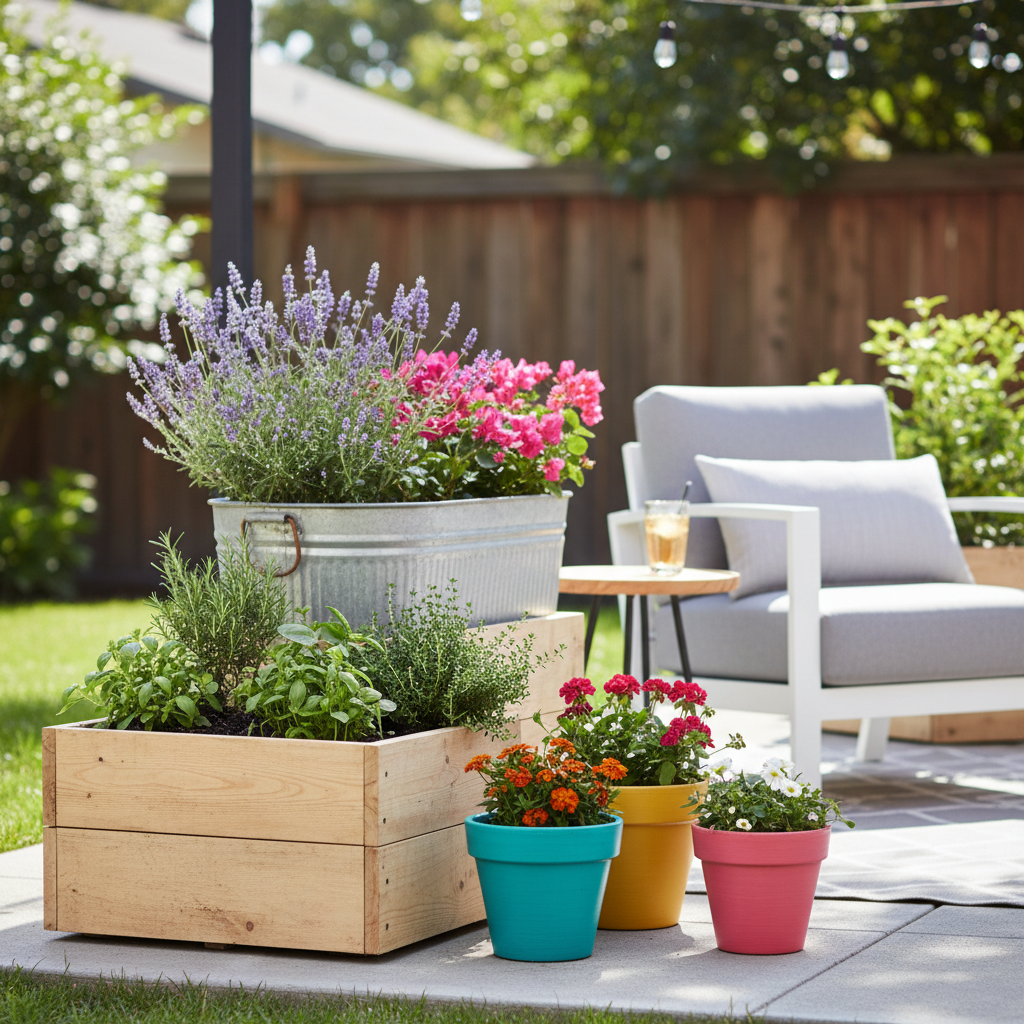
If you’re deciding what to build, start with one honest question: do you want a “statement piece” or a low-maintenance workhorse for plants that hate wet feet? Both are doable, but the materials and drain setup change the outcome.
Pick the right planter style for your space (fast matching guide)
Before you cut wood or buy paint, match the idea to where the planter will live. Outdoors is rougher than it looks, and the wrong size or shape is how people end up with cracked pots and sad roots.
| Space / goal | Planter idea | Why it works outdoors | Watch-outs |
|---|---|---|---|
| Small balcony | Railing boxes or vertical pocket planters | Keeps floor clear, good airflow | Wind exposure, water drip |
| Patio focal point | Large concrete-look pot or whiskey barrel half | Stable, handles heat swings | Weight, drainage holes |
| Front porch | Tall tapered planter (wood sleeve + liner) | Looks “finished,” easy to refresh seasonally | Hidden water pooling |
| Veggies and herbs | Raised bed or deep box planter | Root depth, better soil control | Wood protection from rot |
| Rental-friendly | Fabric grow bags in a tray | Lightweight, excellent drainage | Needs frequent watering |
Why outdoor DIY planters fail (and how to avoid it)
Most outdoor planters don’t fail because the build is “wrong,” they fail because the environment is relentless. Sun cooks finishes, rain finds tiny gaps, and freeze-thaw cycles pry materials apart.
- No drainage plan: holes too small, no air gap under the pot, or a sealed base that traps water.
- Wrong wood: untreated pine can rot fast outdoors, especially where soil stays damp.
- Soil touching raw wood: constant moisture against boards is a slow leak you don’t see until it’s ugly.
- Top-heavy design: tall, narrow planters tip in wind, or when soil gets saturated.
- Heat stress: dark containers in full sun can overheat roots, some plants stall even if you water.
According to USDA Forest Service resources on outdoor wood durability, moisture management and choosing naturally durable or treated wood are key factors in reducing rot in exterior projects. That same logic applies to planter boxes.
Quick self-check: which planter approach fits you?
If you want diy planter ideas for outdoors that actually last, this mini checklist saves you from building something you’ll hate maintaining.
- If you water often and forget to empty saucers, prioritize breathable options like fabric grow bags or pots with raised feet.
- If your area freezes, avoid thin ceramic and choose frost-resistant plastic, fiberglass, wood with a liner, or properly cured concrete.
- If you want “set it and forget it”, build a box planter with a hidden plastic liner and a simple overflow hole.
- If wind is a thing, go wider than tall, or add weight low (stones in the bottom, or a heavier outer sleeve).
- If you’re planting edibles, be picky about finishes: skip questionable interior coatings and keep the food-safe parts separated with a liner.
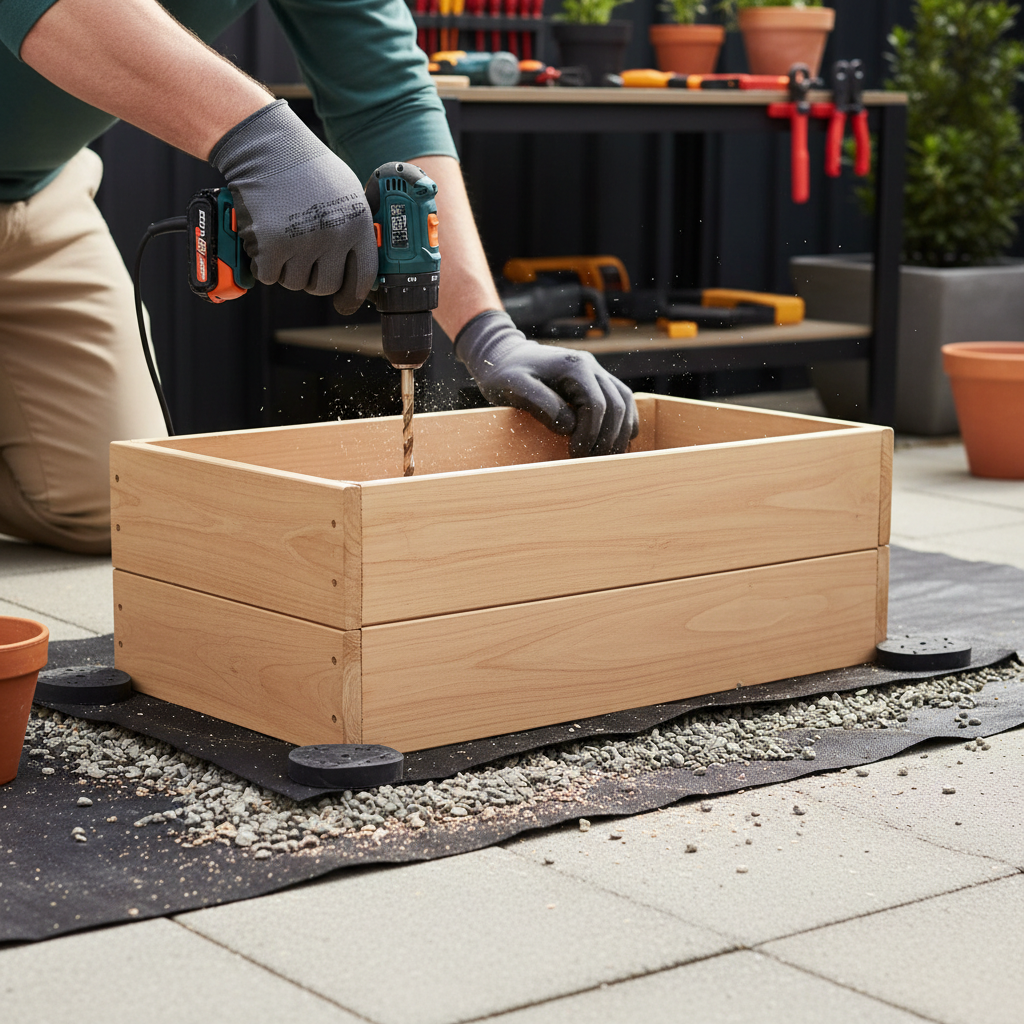
A small mindset shift helps: you’re not just making a container, you’re building a tiny outdoor drainage system. Once you treat it that way, most “mystery plant problems” calm down.
8 DIY planter ideas for outdoors (with realistic difficulty)
Below are options that tend to hold up well in typical U.S. climates, with notes on what makes each one succeed outside.
1) Cedar box planter (the reliable classic)
Cedar naturally resists rot, and a simple rectangle build scales up easily for patios or as a border accent.
- Build tip: line the interior with landscape fabric or a plastic liner, then add an overflow hole a couple inches above the base.
- Good for: herbs, annual flowers, lettuce, compact tomatoes.
2) “Pot-in-a-pot” tall planter (looks expensive, acts practical)
This is a tall decorative shell that holds a standard nursery pot inside, so you can pull plants out, swap seasonal color, and avoid hidden soggy soil.
- Build tip: add spacers under the inner pot so water can drain and evaporate.
- Good for: porch statements, renters, people who change plants often.
3) Galvanized tub herb planter (fast and forgiving)
Galvanized containers handle weather well and feel right at home in backyards. Just don’t skip drainage.
- Build tip: drill multiple holes, then elevate on bricks so the base can breathe.
- Good for: rosemary, thyme, sage, basil.
4) Upcycled 5-gallon bucket planters (budget workhorses)
Not glamorous, but extremely useful for experimenting with veggies, especially if you need mobility.
- Build tip: cut side holes for airflow, paint the outside a light color to reduce heat buildup.
- Good for: peppers, potatoes, patio cucumbers with a trellis.
5) Concrete-look hypertufa trough (for a rugged garden vibe)
Hypertufa (a lightweight concrete mix) can look high-end, but it needs cure time and a bit of patience.
- Build tip: cure slowly and keep it damp per your mix instructions, rushing can weaken the structure.
- Good for: sedums, alpine plants, low-water arrangements.
6) Tiered pallet planter (vertical without being fussy)
A pallet-style tier gives you many pockets in one footprint. Great for small spaces, but watering needs attention.
- Build tip: staple landscape fabric securely, then add a drip tray plan if it’s on a balcony.
- Good for: strawberries, lettuces, trailing flowers.
7) Hanging basket upgrade (liner + watering access)
Hanging planters look easy until they dry out daily. Upgrading the liner and access makes them more livable.
- Build tip: use a coco liner plus a hidden plastic saucer insert to slow drying, but keep airflow.
- Good for: petunias, ivy, trailing lobelia.
8) Self-watering tote planter (when consistency matters)
A storage tote can become a simple sub-irrigated planter with a water reservoir, useful for hot summers.
- Build tip: separate soil from reservoir with a perforated shelf and add a fill tube, then test overflow in a driveway before placing on a deck.
- Good for: thirsty veggies, busy schedules, heat-prone patios.
Step-by-step: drainage, liner, and “feet” (the part that saves your plants)
Even the prettiest build struggles if water can’t exit fast, or if the base sits flat on concrete and stays wet. For most diy planter ideas for outdoors, this simple setup works.
- Drill enough holes: one hole rarely cuts it, use several smaller holes spread across the base.
- Add a liner thoughtfully: landscape fabric keeps soil from washing out, plastic liners protect wood, but include an overflow hole so water has an escape route.
- Raise the planter: pot feet, slats, or bricks create an air gap so the base dries after watering or rain.
- Skip the “rocks for drainage” myth: a thick rock layer can create a perched water table in some mixes, better to use a well-draining potting mix and proper holes.
According to University of Illinois Extension guidance on container gardening, good drainage and using a quality potting mix are foundational for healthy container plants, garden soil tends to compact in pots.
Materials and finishes: what holds up outdoors (and what usually disappoints)
This is where people overspend in the wrong place. You don’t need luxury materials, you need the right ones for weather.
- Best wood choices: cedar and redwood often last longer outdoors, pressure-treated lumber can last too, but for edibles many gardeners prefer a liner barrier.
- Paint vs stain: stain shows wear more gracefully, paint can look amazing but chips, plan on touch-ups.
- Metal: galvanized resists rust, dark metal in full sun can heat soil quickly, light shade or inner pots help.
- Plastic/fiberglass: underrated for freeze-thaw areas, light and durable, just anchor it so wind doesn’t take it.
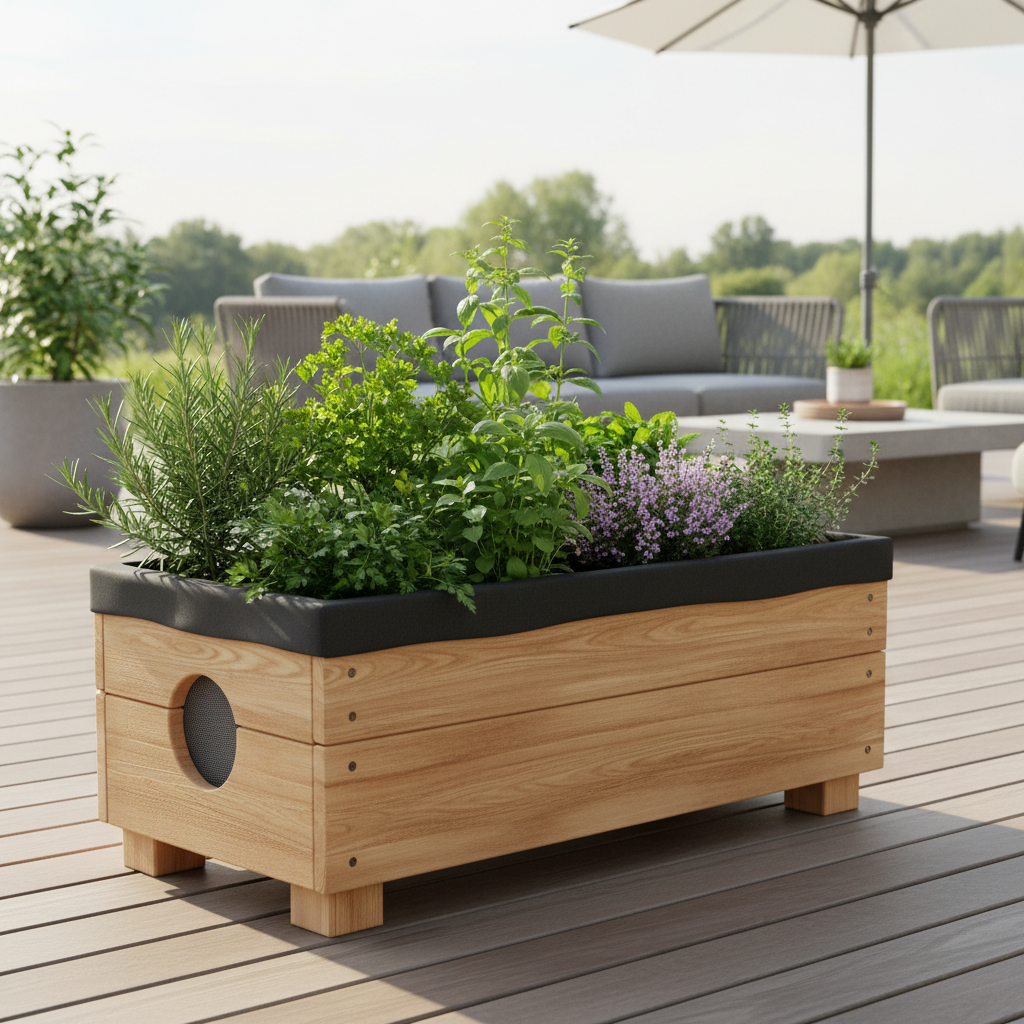
For safety, if you’re using sealants, adhesives, or reclaimed materials and you plan to grow food, it may be worth checking manufacturer specs for food-contact or using a physical barrier liner. When in doubt, a garden center or local extension office can help you sanity-check materials for your use case.
Key takeaways you can use today
- Drainage is design: holes, overflow, and airflow under the base matter more than decoration.
- Outdoor durability starts with materials: cedar, galvanized, and quality plastic tend to be easier wins.
- Plan for maintenance: if you hate sanding and repainting, choose stain or an inner-pot approach.
- Heat and wind are real: wider bases, lighter colors, and stable placement reduce stress on plants.
Conclusion: build fewer planters, build the right ones
The best diy planter ideas for outdoors are the ones you’ll still enjoy after a full season of sun, storms, and busy weeks. Pick one planter style that fits your space, add a drainage setup you trust, then scale that same pattern across the yard so maintenance stays simple.
If you want a quick next step, choose one project from the list and do a “dry run” with an empty container: test where water exits, confirm it doesn’t pool on your deck, and make sure you can move it when it’s full.
FAQ
What is the easiest DIY outdoor planter for beginners?
A galvanized tub or a simple cedar box usually feels easiest because the shapes are forgiving, and you can focus on drainage and placement instead of complex joinery.
Do outdoor planters need drainage holes if I use gravel at the bottom?
In most cases, yes. Gravel doesn’t replace drainage holes, it can even trap water above the rock layer depending on the potting mix, holes plus a good mix tend to be more reliable.
How do I keep a wooden planter from rotting?
Keep soil from sitting against raw wood by using a liner, add an overflow hole, and raise the planter off the ground so the base dries. Choosing cedar helps too.
Are pressure-treated wood planters safe for vegetables?
Many modern pressure-treated products are widely used outdoors, but comfort levels vary. If you’re growing edibles and want extra caution, add a sturdy liner barrier and avoid letting soil contact cut ends.
How deep should an outdoor planter be for herbs and vegetables?
Herbs often do well around 8–12 inches depending on the plant, while many vegetables prefer deeper containers. When you’re unsure, check the specific plant’s container depth guidance from a reputable nursery source.
Why do my container plants dry out so fast outside?
Wind and sun can pull moisture quickly, and porous containers speed that up. Mulching the surface, using a larger pot, and moving the planter to partial afternoon shade often helps.
Can I put DIY planters directly on a wooden deck?
You can, but it’s smart to use pot feet or a stand and a tray system to prevent trapped moisture and staining. If you’re worried about deck damage, a local contractor or deck manufacturer guidance can be worth checking.
Practical next step (a low-stress way to start)
If you’re planning diy planter ideas for outdoors but don’t want to guess on materials, drainage layouts, or plant-to-pot sizing, it can help to start with a single “prototype” planter, then repeat the same build once you see how it performs in your yard.