
Vintage industrial decor for home office space works best when it feels intentional, not like a garage sale moved next to your laptop. If your office looks “almost there” but still a bit messy, it’s usually because the materials, lighting, and storage don’t match the vibe you’re aiming for.
This style is having a very real moment again for 2026, partly because more people need a room that can switch between focused work, video calls, and actual life. Industrial can handle that, but only if you balance the rough edges with comfort and function.
Below, you’ll get practical ways to choose finishes, plan a layout, and source pieces that look authentic, plus a quick self-check and a few common traps I see people fall into when they try to “industrialize” a home office too fast.
What “vintage industrial” actually means in a home office (2026 version)
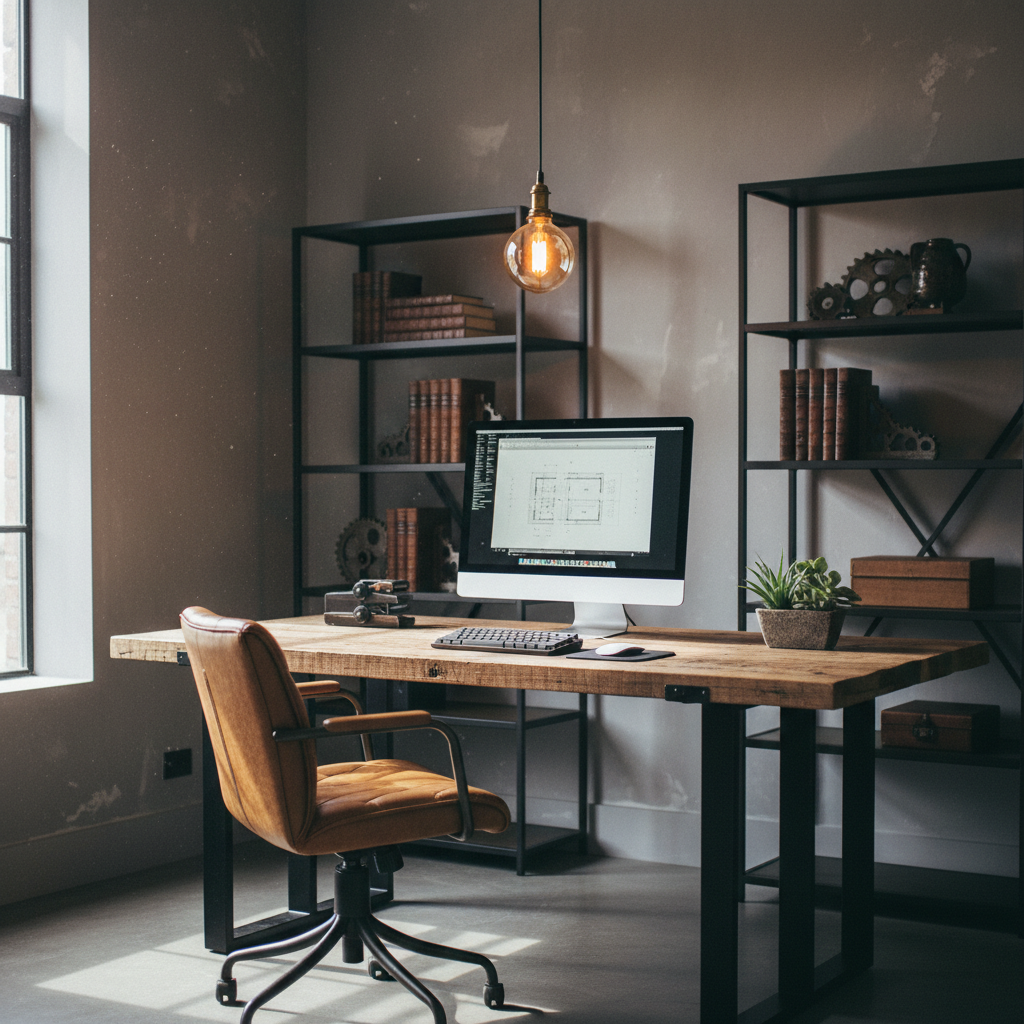
In a home office, vintage industrial isn’t about making everything look old, it’s about mixing utilitarian forms with warm, lived-in materials. Think steel and wood, exposed hardware, factory-inspired lighting, and storage that looks like it could survive real work.
For 2026, the look usually lands better when it’s a little cleaner and more ergonomic than the classic “warehouse” stereotype. You can keep the patina and texture, but your chair, monitor height, and lighting still need to behave like a modern workspace.
Why your office doesn’t look “industrial” yet (common causes)
Most “something is off” moments come from a few predictable mismatches. Fixing those is faster than buying more decor.
- Too many finishes: chrome, brushed nickel, shiny gold, and black metal all at once tends to read random.
- Wrong wood tone: cool gray “barnwood” next to warm walnut can fight, unless you bridge them with textiles.
- Lighting mismatch: a modern LED panel plus one exposed filament bulb can feel awkward rather than curated.
- No real anchor piece: industrial rooms usually have one strong “workhorse” item, like a heavy desk, a steel cabinet, or a big task lamp.
- Visual clutter: open shelving looks great, until it becomes your paperwork problem in public view.
There’s also a comfort issue people ignore. A home office needs softness somewhere, otherwise the space can feel harsh and you’ll quietly avoid working there.
Quick self-check: which vintage industrial lane fits your space?
Before you shop, decide which lane you’re in. It keeps vintage industrial decor for home office space from turning into a pile of “close enough” items.
- Small room or corner setup: lighter visual weight, fewer dark surfaces, more wall-mounted storage.
- Dedicated room: you can go bolder with a steel filing cabinet, larger art, heavier desk, layered lighting.
- On-camera priorities: consistent background materials, controlled glare, one statement wall or shelf vignette.
- Noise-sensitive household: rugs, curtains, and upholstered seating matter as much as metal and wood.
If you’re unsure, pick a “primary material pair” and stick to it: blackened steel + warm mid-tone wood is the easiest to execute without regrets.
Materials, colors, and textures that read authentic
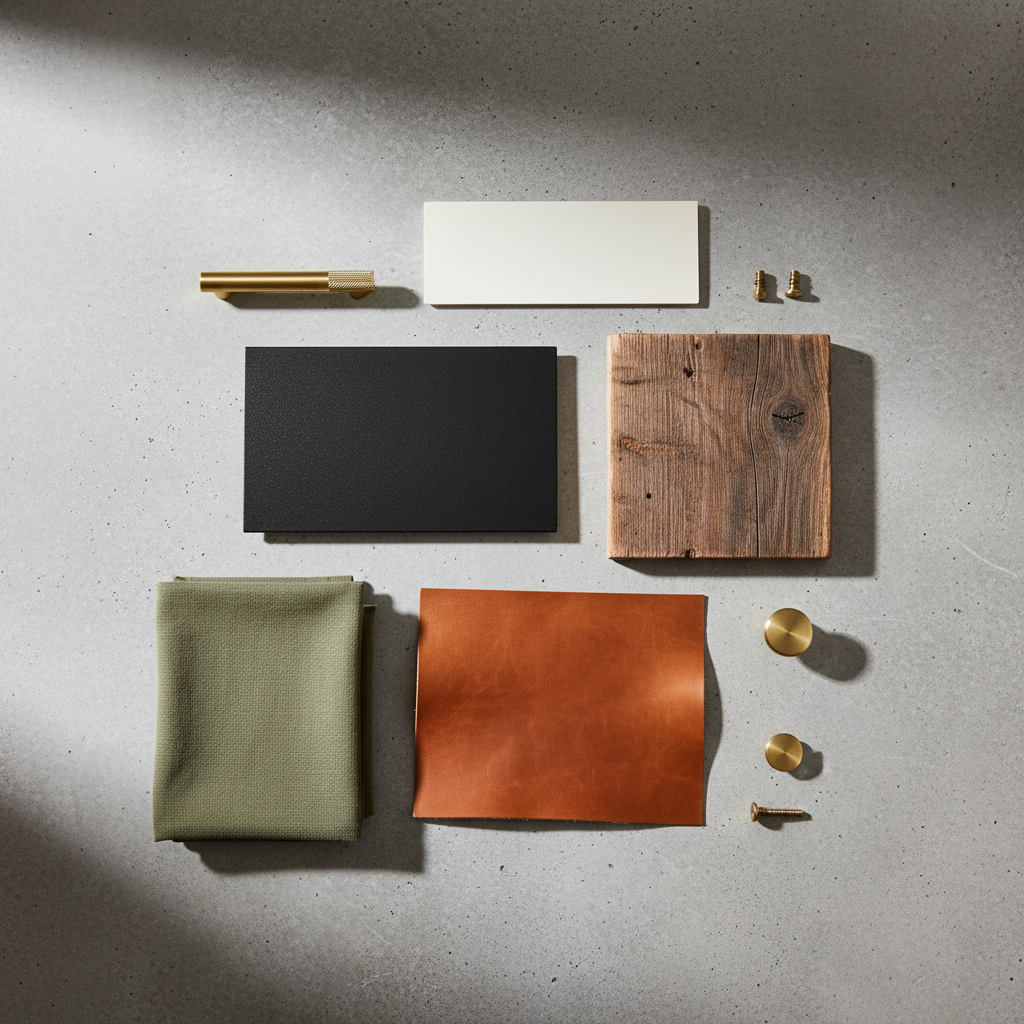
The fastest way to make the style believable is to limit the palette and let texture do the talking. Industrial looks “right” when it feels functional, even if it’s decorative.
Go-to material choices
- Metal: matte black, gunmetal, or aged brass in small doses, avoid overly glossy finishes.
- Wood: reclaimed, distressed, or medium stains, but keep grain visible.
- Leather: cognac or dark brown adds warmth quickly, especially on chairs and desk accessories.
- Glass: ribbed or wired glass works as a subtle “factory” nod without looking themed.
A simple 2026-friendly palette
- Base: warm white, putty, or soft gray (avoid icy gray if you want cozy)
- Metal: black or gunmetal
- Wood: mid-tone oak/walnut range
- Accent: rust, olive, or deep navy (choose one)
Shop smart: a practical buying plan (with a prioritization table)
People usually overspend on small “industrial knickknacks” and underinvest in the pieces that actually set the tone. A better approach is anchor first, then support, then style.
Key idea: one honest-looking anchor beats five fake “vintage” accessories.
| Priority | What to buy | Why it matters | Budget-friendly angle |
|---|---|---|---|
| 1 | Desk with metal + wood | Largest visual block, sets material language | Buy sturdy, keep styling minimal |
| 2 | Ergonomic chair in leather or dark fabric | Comfort decides whether you use the room | Look for used office chairs, add a leather seat cover if needed |
| 3 | Task lighting + ambient lighting | Industrial style leans on lighting silhouettes | One statement lamp, one simple floor lamp |
| 4 | Closed storage (cabinet, credenza) | Keeps clutter off open shelves | Repurpose a metal locker or low cabinet |
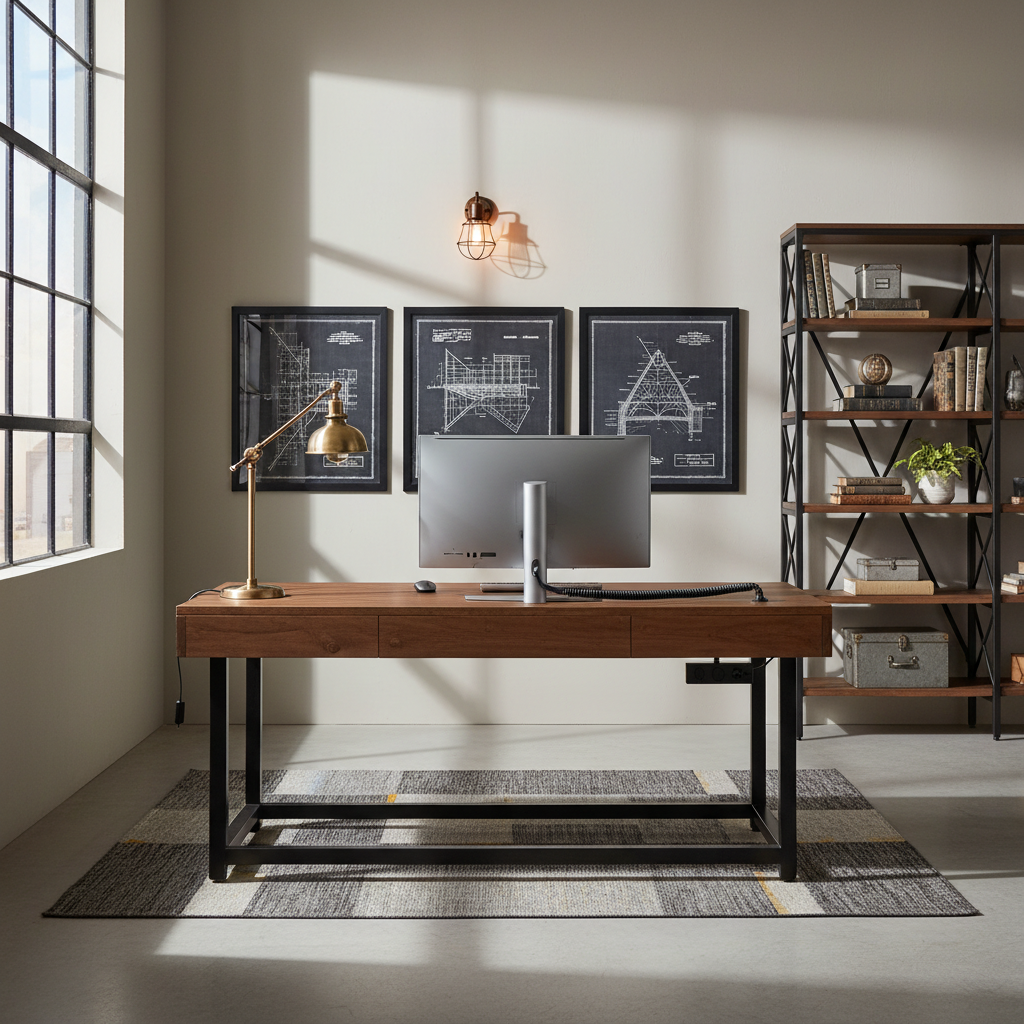
| 5 | Wall decor + shelf styling | Finishes the look, especially on video calls | Large print, vintage map/blueprint style art, minimal objects |
For sourcing, it often helps to mix: one or two “real” pieces (antique, salvage, or high-quality reproduction) plus simpler modern items that don’t fight for attention.
How to set up the space so it works for real work (not just photos)
Industrial decor photographs well, but a home office has to survive eight-hour days. The trick is hiding modern needs inside the style.
Setup steps that make a difference
- Control cables: use under-desk trays and braided sleeves in black or charcoal, your eye reads it as “hardware,” not mess.
- Choose one focal wall: shelving, a peg rail, or large art, then keep other walls calmer.
- Layer lighting: a task lamp for the desk, plus a warm ambient source, and if you do video calls, add a soft front light.
- Add softness on purpose: a low-pile rug, felt desk pad, or fabric curtains, otherwise the room can feel sharp and echoey.
According to U.S. Consumer Product Safety Commission (CPSC) guidance on tip-over hazards, it’s wise to anchor tall shelving and cabinets to the wall, especially if kids or pets ever access the room. If your wall type is unclear, a handyman or licensed contractor can help pick the right anchors.
Common mistakes (and what to do instead)
These show up constantly, even in expensive setups. Fixing them usually costs less than you think.
- Going too dark, too fast: black walls plus dark desk plus dark shelves can shrink a room. Keep walls lighter, add darkness through metal and accents.
- Overdoing “Edison bulbs”: they look great, but they’re not always enough light. Use them as ambiance, not your only source.
- Faux distressing everywhere: a little patina reads authentic, a lot can look forced. Mix one distressed item with cleaner companions.
- Open shelving for everything: balance open shelves with a closed cabinet so your work life can disappear at the end of the day.
- Ignoring scale: tiny art over a large desk looks lost. One larger piece often beats a cluster of small frames.
Key takeaway: industrial style is forgiving, but inconsistency isn’t. Repeating the same metal finish two or three times across the room makes it feel designed.
When to get extra help (design, electrical, or safety)
If you’re doing more than styling, a little professional input can save time and avoid headaches.
- Electrical updates: adding sconces, swapping fixtures, or installing new outlets usually calls for a licensed electrician, local code varies.
- Ergonomics pain: if your neck or wrists hurt, decor is not the problem. A workspace consult or ergonomic assessment can be worth it.
- Wall/material uncertainty: heavy shelving on plaster, brick veneer, or unknown studs can get risky, ask a pro rather than guessing.
And if you’re mixing vintage pieces with older wiring or unknown materials, it’s smart to inspect before use, especially for lamps and power strips.
Conclusion: a vintage industrial office that feels finished
Vintage industrial works in a home office when you treat it like a system: one strong anchor, a tight material palette, lighting that serves work, and storage that prevents “background chaos.” Once those are in place, the style details become fun instead of stressful.
If you want one concrete next step, pick your primary metal finish and wood tone today, then audit your desk area for clutter and lighting. That alone pushes the room closer to the look you pictured.
FAQ
How do I make vintage industrial decor for home office space feel cozy, not cold?
Add softness where it counts: a rug, curtains, a fabric chair, and warm lighting. Industrial is the frame, comfort is the fill.
What’s the easiest “anchor piece” to buy first?
A desk with a believable material combo (wood top, metal base) usually sets the tone fastest, and everything else can coordinate around it.
Can I mix industrial with modern or Scandinavian pieces?
Usually yes, as long as you keep finishes consistent. Modern, simple forms pair well with industrial texture, just avoid adding a third competing style.
Where should I use open shelving versus closed storage?
Use open shelves for a few intentional items and daily-access tools, then hide papers, chargers, and backups in a cabinet or credenza.
Do I need exposed brick to make it “industrial”?
No. Many home offices look more authentic with subtle cues: metal lighting, factory-style hardware, and a restrained palette beat faux brick panels in many cases.
What lighting color temperature works best for this look?
Warm to neutral white often feels best in industrial spaces. If you do video calls, you may want a separate front light so your background stays warm without making your face orange.
How can I avoid buying fake-looking “vintage” items?
Buy fewer accessories, and choose pieces that look functional: metal bins, sturdy organizers, simple framed prints. If distressing looks uniform, it tends to read manufactured.
If you’re building a vintage industrial setup and want a more streamlined path, it can help to start from a shopping checklist tied to your room size, storage needs, and on-camera background, then fill in decor only after the workspace feels comfortable and practical.