
Bohemian style outdoor pillow covers for patio seating are one of the fastest ways to make a plain set feel intentional, but they can also be the first thing to fade, mildew, or look “cheap” if the fabric and construction are off.
If you want that relaxed, layered boho look outdoors, the trick is picking covers that handle sun, spills, and humidity while still giving you texture and pattern that reads cozy, not cluttered. And yes, you can do it without turning your patio into a high-maintenance project.
This guide breaks down what actually matters, how to choose sizes and materials, and how to style boho patterns so they look curated. I’ll also point out the common mistakes that make outdoor pillow covers look tired after one season.
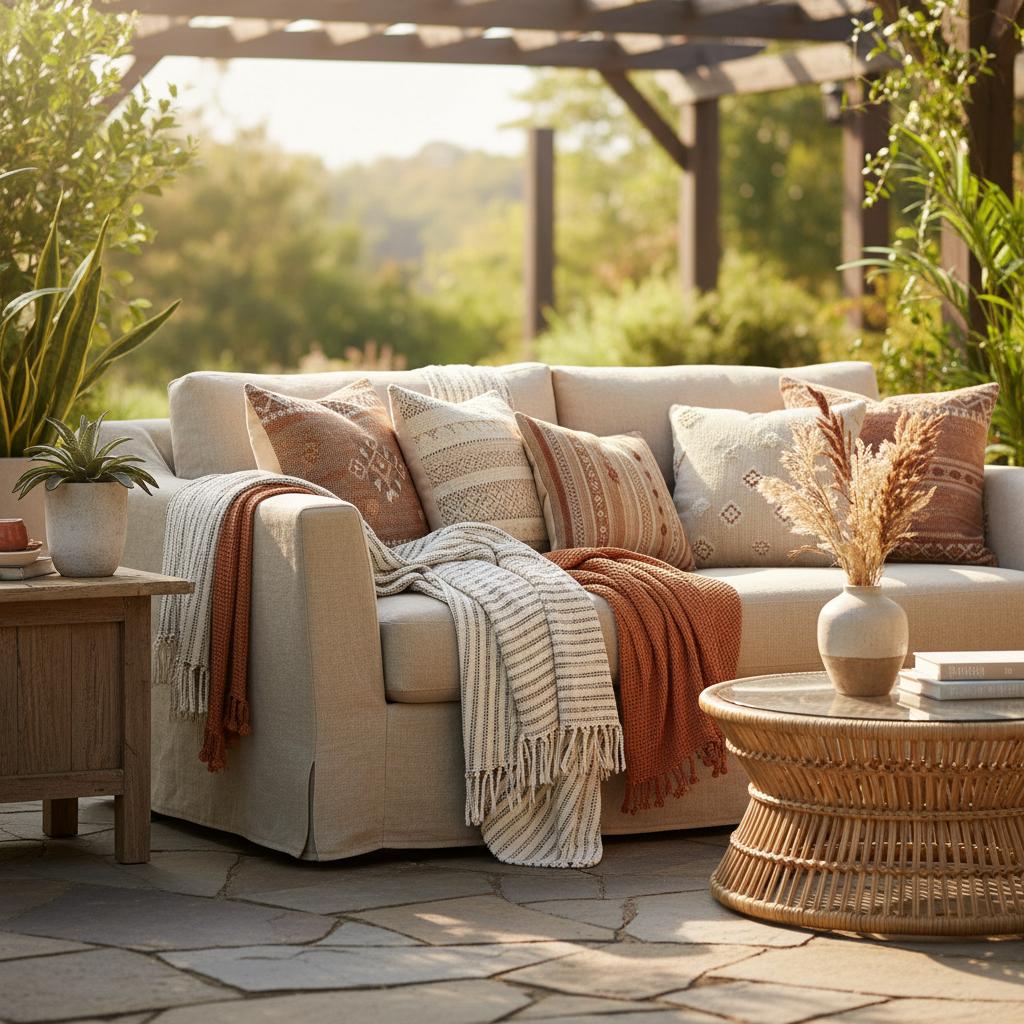
What makes a pillow cover “bohemian” outdoors (without looking messy)
Boho style outdoors usually comes from a mix of pattern + texture + a warm color story. The risk is overdoing it, especially when everything sits in direct sun and colors shift faster.
- Patterns that read boho: global geometrics, subtle tribal motifs, block prints, medallions, stripe mixes, small-scale ikat-like patterns.
- Textures that feel intentional: slub weaves, faux-linen performance fabrics, light bouclé-style texture, soft outdoor canvas.
- Color palettes that survive outdoors: sand, cream, clay, rust, sage, denim, charcoal, muted mustard.
A practical rule: pick one “hero” pattern, then support it with solids and low-contrast textures. Many patios look best with 60–70% calm pieces and 30–40% statement.
Why outdoor pillow covers fail early (and how to avoid it)
Most early failures have nothing to do with boho style and everything to do with the realities of outdoor exposure. In many backyards, pillows deal with UV, pollen, sunscreen, rain splash, and temperature swings—sometimes in the same week.
- Fading: bright dyes and printed patterns can shift under strong UV.
- Mildew smell: moisture gets trapped in heavy fabrics or inside inserts that stay damp.
- Seam blowouts: outdoor inserts tend to be fuller; weak seams pop at corners.
- Zippers that corrode or snag: low-grade hardware hates salt air and humidity.
According to the U.S. Environmental Protection Agency (EPA)..., mold grows where moisture lingers, so the most helpful “hack” is reducing how long fabric stays wet rather than just buying stronger detergent.
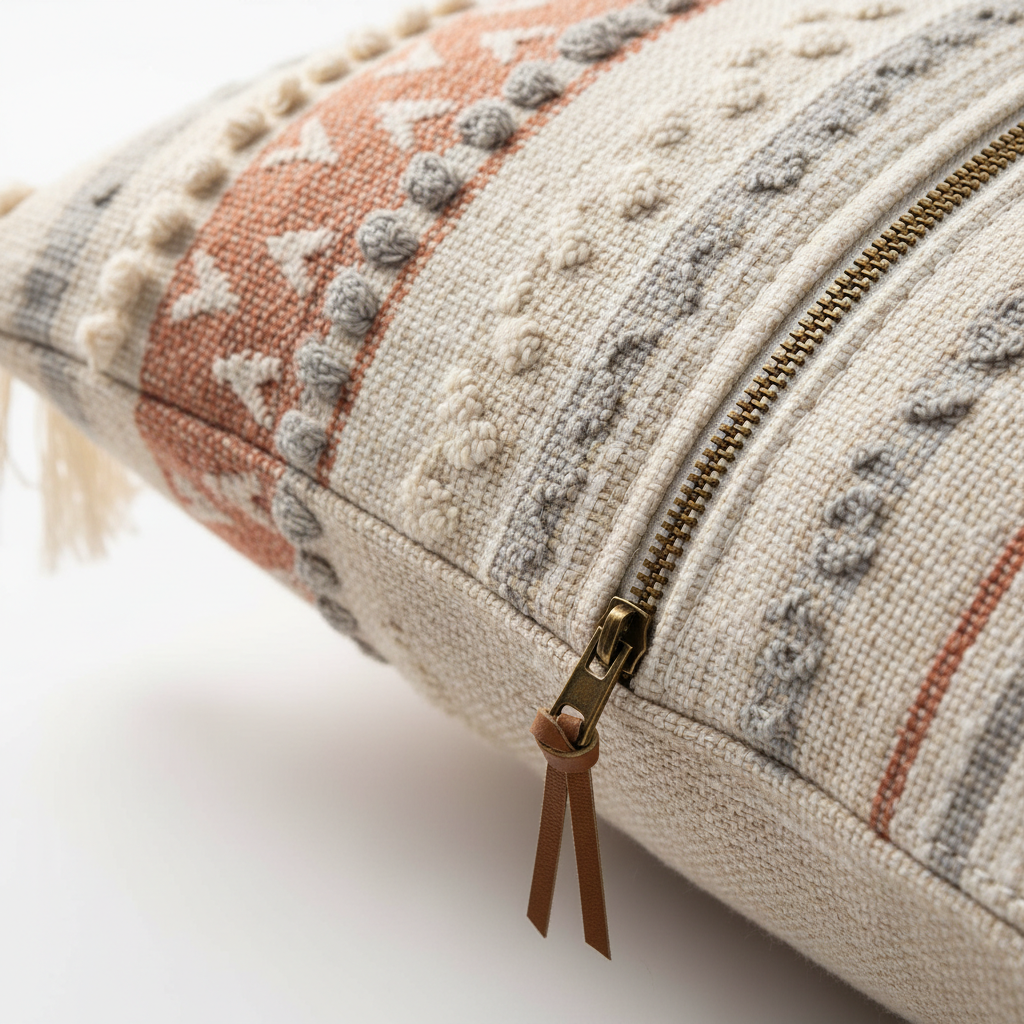
Fabric and construction checklist (the parts people regret skipping)
When you shop bohemian style outdoor pillow covers for patio use, prioritize performance first, then pattern. If you love the print but the fabric behaves like indoor linen, it usually becomes a “bring it in every night” situation.
Quick checklist
- Fabric label: “outdoor” or “solution-dyed acrylic/polyester” typically holds color better than basic printed fabric.
- Water behavior: water-resistant helps with splashes, but breathable fabric helps after rain.
- Closure: hidden zipper is cleaner for boho styling; envelope closures are fine but can gap with overstuffed inserts.
- Stitching: tight seams and reinforced corners reduce blowouts.
- Finish: removable cover is non-negotiable if you eat outside.
According to the American Cleaning Institute (ACI)..., always follow care labels because cleaning methods vary by material and finish. That matters more outdoors where coatings and dyes differ a lot by manufacturer.
Sizes, inserts, and “the chop”: how to get that plush boho look
The easiest way to make boho pillows look elevated is the insert-to-cover match. Flat pillows read temporary; full pillows read styled.
- Use a larger insert: for a 18x18 cover, many people like a 20x20 insert for a fuller look, though it depends on fabric stretch and zipper quality.
- Mix shapes: squares for base, lumbars for layering, one round if you want a softer boho note.
- Mind the seat depth: deep seating often needs 22x22 or larger to look proportional.
One caution: if your covers have delicate seams or an envelope back, oversizing inserts too aggressively can stress seams and distort patterns. If the zipper bows or corners pull, size down.
Boho pattern mixing that still looks “patio clean”
Outdoors, sunlight increases contrast, and busy prints can look louder than they did online. A calmer system helps you avoid the “festival booth” effect.
A simple mix formula
- 1 large-scale pattern (your hero): medallion, big geometric, bold stripe
- 1–2 small-scale patterns: tight geometrics, subtle global motifs
- 2–3 solids/textures: faux-linen, canvas, nubby weave
Keep the color story tight: pick 2 neutrals + 1–2 accent colors. If your patio already has a strong rug, treat the rug as the hero and let pillows support it.
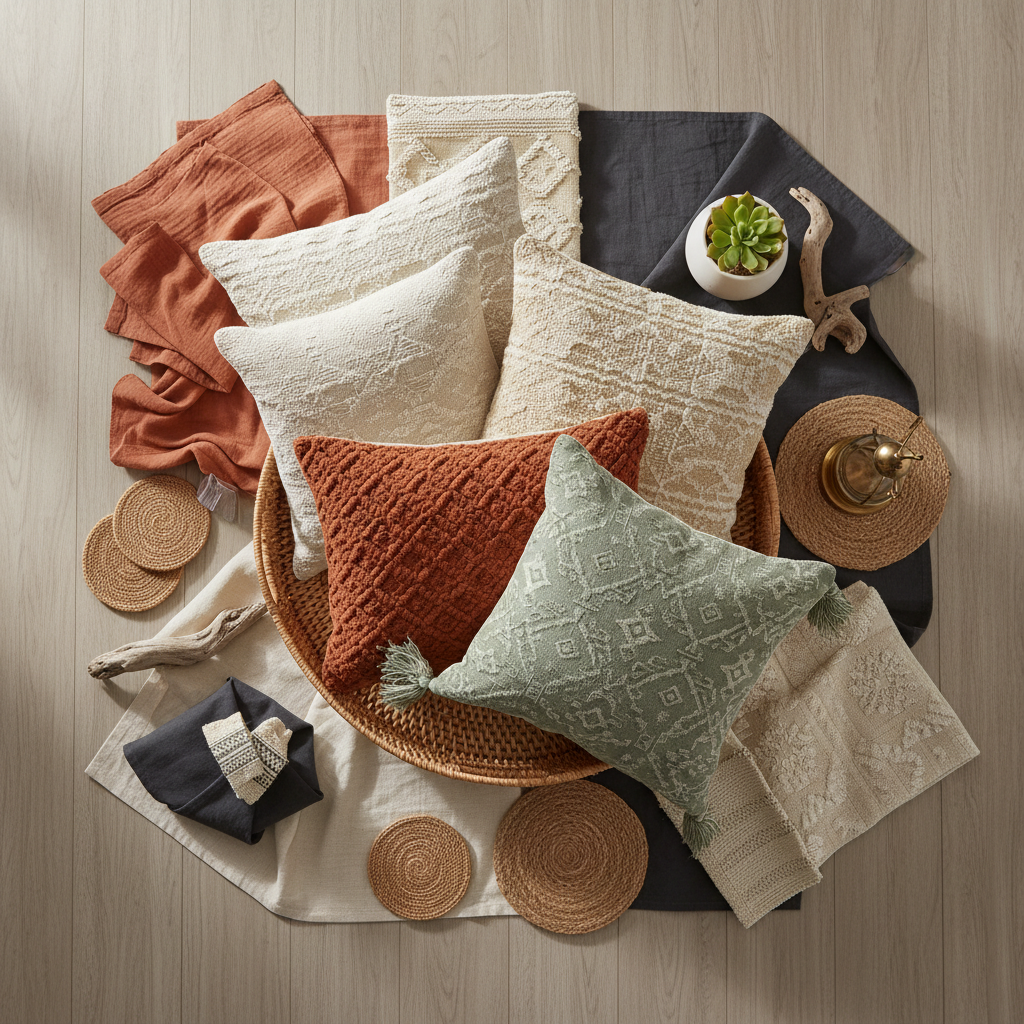
Weather, placement, and care: what actually keeps them looking new
Even the right bohemian style outdoor pillow covers for patio seating need a basic routine. Not daily, just consistent enough to prevent the “mildew surprise” when guests come over.
Practical care habits
- After rain: stand pillows on edge so water drains and airflow reaches seams.
- Weekly quick clean: shake out debris, spot-clean sunscreen or food spots early.
- Storage: if you have long wet spells, use a breathable storage bin or deck box; avoid sealing damp fabric in plastic.
- Rotate: swap pillow positions to even out sun exposure.
Safety note: if you see persistent mold or a strong musty odor, cleaning products vary in compatibility with performance finishes, so it may be worth checking the manufacturer instructions or asking a professional cleaner what’s safe for that fabric.
Quick buying guide: match the cover to your patio scenario
Not every patio lives the same life. A covered porch in Seattle and a pool deck in Arizona need different priorities, even if the style goal is identical.
| Patio scenario | What to prioritize | Boho style tip |
|---|---|---|
| Full sun, hot/dry | Fade resistance, solution-dyed fabrics, tighter weaves | Use warmer neutrals and charcoal to hide sun shift |
| Humid, frequent rain | Quick-dry, breathable fabric, mold-resistant construction | Choose textured solids so water marks show less |
| Pool area | Chlorine/sunscreen tolerance, easy wash, strong zippers | Go heavier on pattern to camouflage small stains |
| Covered porch | Comfort and texture, less extreme performance needed | Add fringe-look trims only if you’ll actually maintain them |
| Pets/kids | Durability, removable covers, darker accents | Mix in solids so hair and crumbs are less obvious |
Key takeaways before you click “add to cart”
- Performance fabric beats a pretty print if your patio gets real weather.
- Use one hero pattern, then build with textures and solids for a relaxed boho look.
- Insert sizing is the difference between “flat” and styled.
- Most mildew issues come from trapped moisture, not lack of cleaning.
If you want your patio to feel finished without babysitting it, start with two high-quality covers in your hero pattern, then add a couple textured solids. You can always expand the mix once you know how your space handles sun and rain.
If you’re shopping this week, pick one area to refresh, usually the main sofa or lounge chairs, and commit to a tight palette. That single decision keeps boho from drifting into chaos.
FAQ
What fabric is best for bohemian style outdoor pillow covers for patio use?
In many cases, solution-dyed outdoor fabrics hold color better and tolerate sun and cleaning more gracefully. If the listing reads like indoor linen or cotton without an outdoor rating, expect more fading and water absorption.
How many boho pillows should I put on an outdoor sofa?
For a standard 3-seat outdoor sofa, 4–6 pillows often looks balanced. If your cushions are patterned already, fewer pillows with more texture and solid color usually feels calmer.
Can I leave outdoor pillow covers outside all season?
Sometimes yes, but it depends on exposure. Covered patios do fine with less effort; open decks in rainy or humid areas tend to need occasional drying and storage during long wet stretches.
How do I wash outdoor pillow covers without ruining the coating?
Follow the care label and avoid harsh bleaching unless the manufacturer allows it. Gentle detergent and air drying often preserve water resistance longer than high heat, but specifics vary by fabric type.
Why do my outdoor pillows smell musty even after washing?
Often the insert stays damp inside, or moisture sits in seams. Dry the insert fully, improve airflow, and consider swapping to quicker-dry inserts if this happens repeatedly.
What’s the easiest way to mix boho patterns without clashing?
Keep one hero print, repeat one accent color across multiple pillows, and use textured solids as “breathing room.” If you’re unsure, choose patterns with similar contrast levels.
Do zipper closures matter outdoors?
They matter more than people expect. A smoother, corrosion-resistant zipper makes covers easier to remove and less frustrating after a season of humidity, especially near pools or coastal areas.
Should I buy water-resistant or waterproof covers?
Water-resistant is often more comfortable and breathable, which helps after rain. Waterproof can trap moisture inside if water sneaks in through seams, so it works best in specific setups and with good construction.
If you’re trying to refresh your seating quickly and want a boho look that still behaves outdoors, it may help to shortlist a few covers by fabric type and exposure level first, then choose patterns second, that order usually saves money and disappointment.