
best fabric sofa stain resistant options tend to come down to one thing: how the upholstery handles real-life messes like juice, greasy snacks, muddy paws, and mystery smudges that show up after school.
If you have kids or pets, “stain resistant” is not a nice-to-have, it’s the difference between enjoying your sofa and constantly policing it. The tricky part is that retailers use the same buzzwords for very different materials, and some “protected” fabrics still absorb stains if you clean them the wrong way.
This guide helps you pick fabrics that usually perform well in family homes, understand what stain resistance really means, and set up a simple maintenance routine that keeps your sofa looking normal even when life gets chaotic.
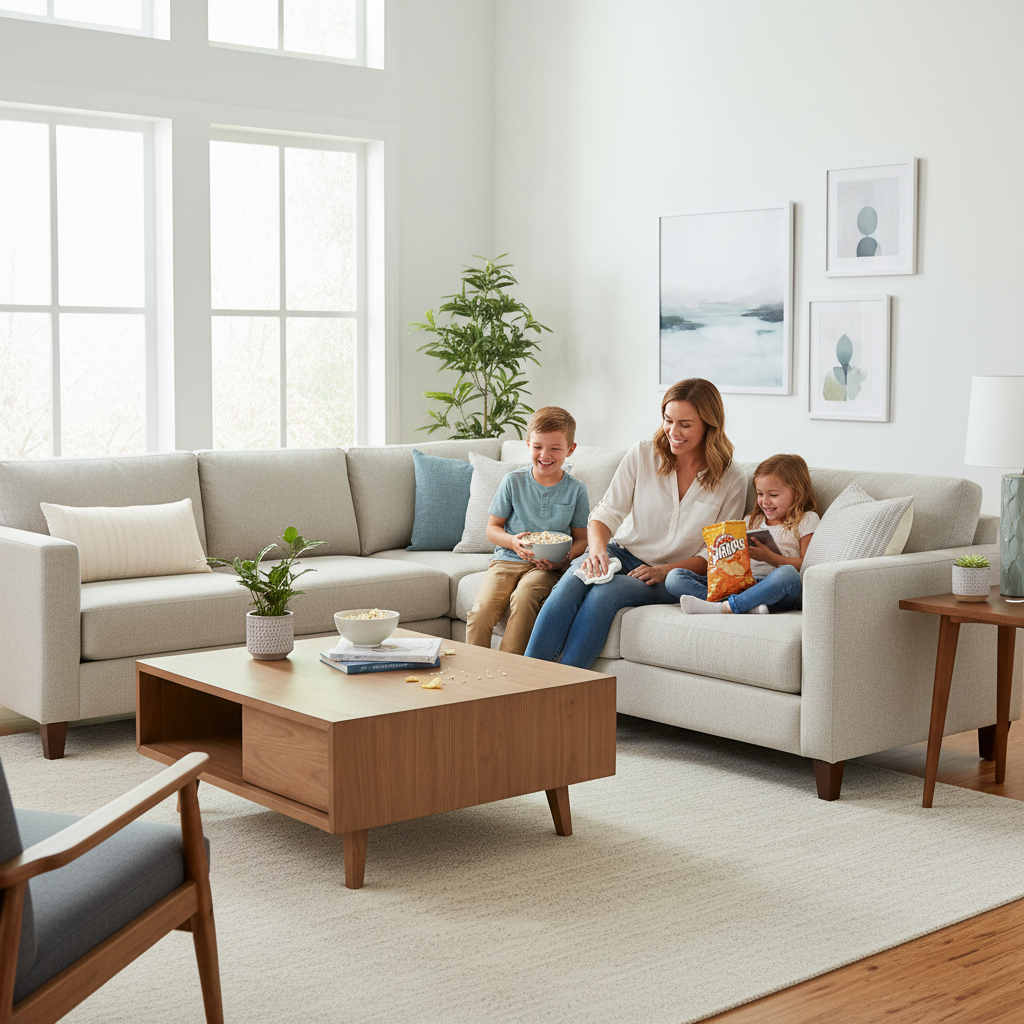
What “stain resistant” really means (and what it doesn’t)
Stain resistance is usually a mix of fiber choice, weave density, and finish. Some fabrics resist stains because liquid beads up on the surface, others because the yarn itself is less absorbent, and some rely on chemical treatments that can wear off over time.
Two quick clarifications save a lot of disappointment:
- Stain resistant often means it buys you time to blot and clean, not that stains never happen.
- Water resistant is not the same as oil resistant. Many family stains are oily, like pizza, sunscreen, or peanut butter.
According to the U.S. Environmental Protection Agency (EPA), some stain-resistant treatments may contain chemicals of concern, so it’s reasonable to ask what a fabric is treated with, and to prefer materials that perform well without heavy finishing when possible.
The family-friendly fabric shortlist (what usually works best)
If you’re shopping specifically for the best fabric sofa stain resistant for family use, these categories show up again and again in homes that see frequent spills.
1) Performance fabrics (solution-dyed acrylic, engineered blends)
“Performance fabric” is a marketing umbrella, but many lines are genuinely easier to live with. Solution-dyed fibers often hold color well and can handle repeated cleaning without fading as quickly.
- Best for: frequent spills, bright rooms, households that clean often
- Watch for: unclear care labels, “performance” claims without specs
2) Polyester and microfiber
Microfiber gets recommended for a reason: tight structure, decent resistance to absorption, and it cleans up better than many textured weaves. It can, however, show pressure marks and attract oils if you never deep-clean.
- Best for: kids, budget-friendly durability
- Watch for: water rings if you spot-clean inconsistently
3) Olefin (polypropylene)
Olefin is often used in outdoor furniture, but it’s increasingly common indoors. It tends to resist moisture and many stains, though it can feel less “luxury” depending on the weave.
- Best for: high-traffic rooms, pet homes
- Watch for: heat sensitivity, lower softness in some builds
4) Tight weaves and textured neutrals
Even when a fabric isn’t marketed as special, a tight weave can help because messes sit on top longer. And in real family life, multi-tone texture hides minor marks better than flat, solid colors.
Quick comparison table: pick based on your mess profile
This table won’t replace swatches, but it helps you narrow down fast.
| Fabric type | Everyday stain resistance | Kid/pet friendliness | Feel & look | Cleaning notes |
|---|---|---|---|---|
| Performance fabric | High in many cases | High | Varies, often “sofa showroom” look | Follow brand instructions, avoid random cleaners |
| Microfiber | Medium-high | High | Soft, casual | Consistent spot-cleaning prevents rings |
| Polyester blends | Medium | Medium-high | Wide range | Check for pilling, vacuum regularly |
| Olefin | High for many spills | High | Can look more textured/utilitarian | Avoid high heat, test cleaners first |
| Cotton/linen (untreated) | Low-medium | Low-medium | Beautiful, relaxed | Stains absorb fast, slipcovers help |
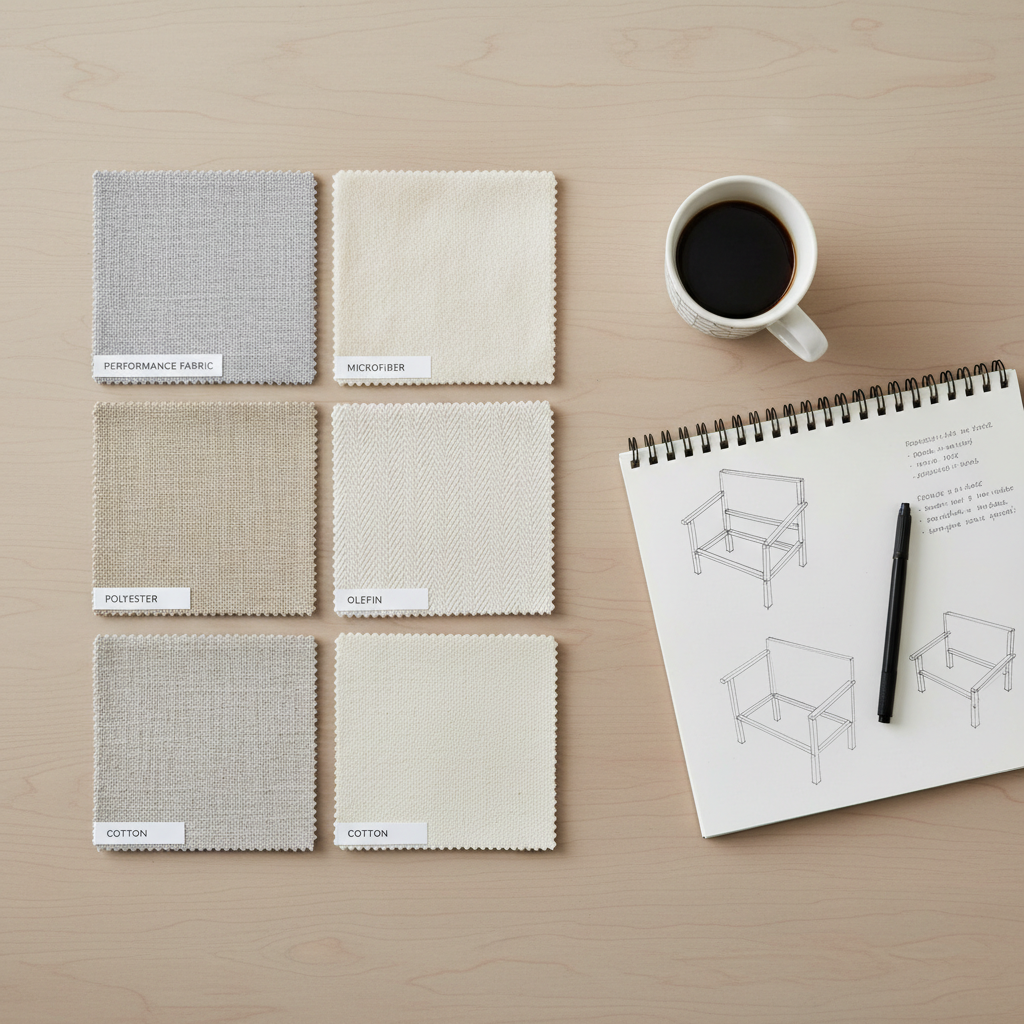
A practical checklist to confirm a sofa is truly family-ready
Before you buy, use this as a quick filter. It’s not about perfection, it’s about avoiding the common “looked great online, regretted it later” traps.
- Ask for a swatch and do a simple water test: a few drops should bead for a bit rather than soak instantly.
- Check the cleaning code (W, S, SW, X). If it’s X-only, that’s a hard no for most families.
- Look for tight construction: dense weave, fewer loose loops that can snag with nails.
- Color strategy: mid-tone neutrals and heathered textures hide life better than bright solids.
- Cushion practicality: removable covers or reversible cushions reduce long-term panic.
- Warranty language: if “stain resistance” is mentioned, see what’s excluded, especially oils.
According to the Federal Trade Commission (FTC), shoppers benefit from clear, non-misleading marketing claims, so if a salesperson can’t explain what makes a fabric stain resistant, it’s reasonable to treat the claim as vague.
How to clean common family stains without making them worse
The best fabric sofa stain resistant choice still needs the right moves in the first 5 minutes. Most cleaning failures come from rubbing too hard, using the wrong chemistry, or soaking the cushion so deeply that it never dries evenly.
General first-response steps (works for most fabrics)
- Blot, don’t scrub. Press with a clean white cloth to lift, then repeat with a fresh area.
- Work from outside in to keep the stain from spreading.
- Use small amounts of cleaner. Over-wetting is how you get rings and lingering odors.
- Rinse lightly if your cleaner requires it, residue can attract dirt later.
Specific stain situations families see a lot
- Juice, soda, coffee: blot, then use a mild soap solution if the care code allows water.
- Grease (pizza, lotion, crayons): many water-based cleaners struggle here, a solvent-safe approach may be needed if the code is S; when unsure, consult the manufacturer.
- Pet accidents: remove as much moisture as possible, then use an enzyme cleaner that matches your care code, ventilation matters.
If you have sensitivities, kids with asthma, or pets that lick surfaces, it’s smart to choose lower-odor products and consider checking ingredient guidance with a professional cleaner or your pediatrician or veterinarian when needed.
Buying tips that matter more than the buzzwords
Plenty of people over-index on a single label and under-index on the build. In a busy home, these details make the sofa easier to keep presentable.
- Choose removable cushion covers when you can, it turns “disaster” into “laundry day.”
- Prefer tighter weaves over big loops, especially if you own cats.
- Ask about abrasion testing (often described as double rubs). It’s not everything, but it’s a useful durability clue.
- Skip delicate high-contrast colors if your household eats on the couch, you’ll feel it every day.
Also, be honest about your habits. If you know you won’t spot-clean quickly, pick a fabric and color that forgives you, not one that assumes perfect upkeep.
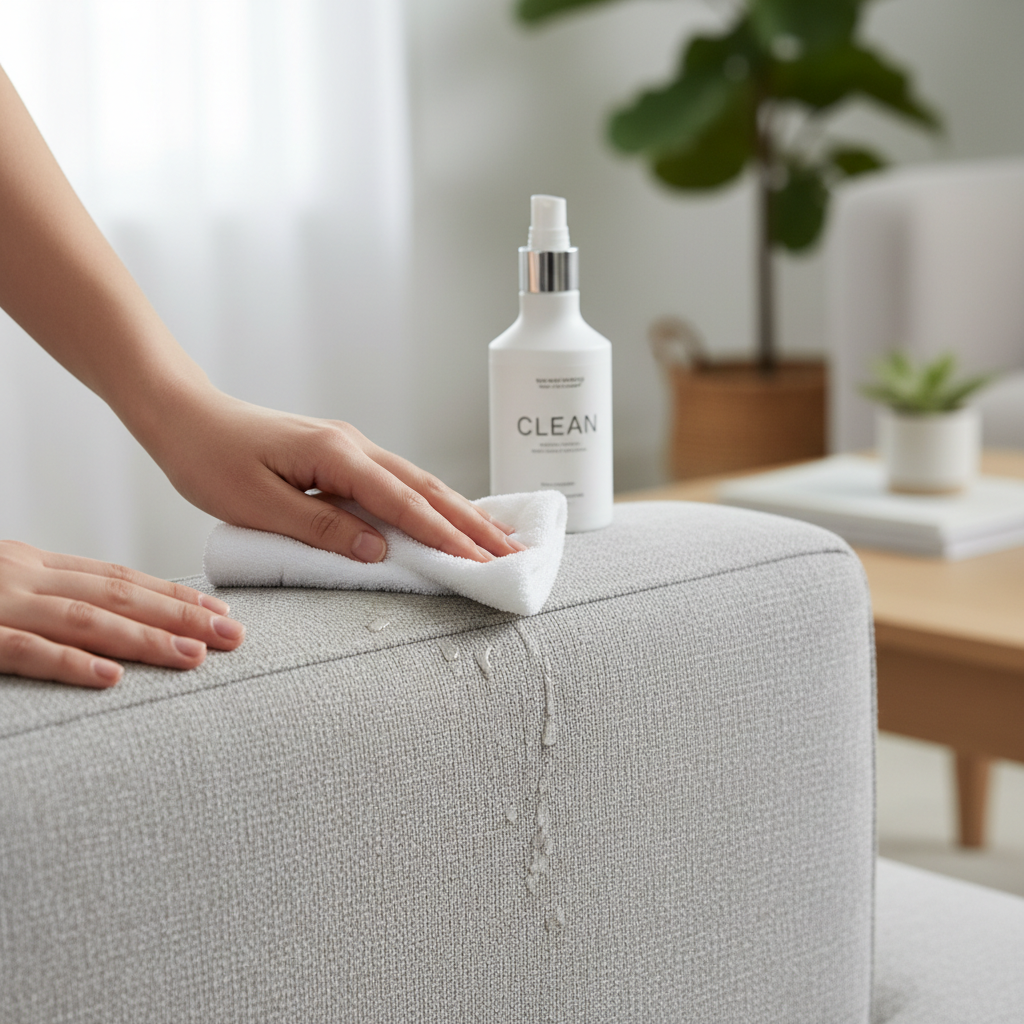
Common mistakes that quietly ruin stain resistance
Some mistakes don’t show up immediately, but you notice them a month later when the sofa suddenly “stains easier than before.”
- Using bleach or harsh degreasers on fabrics that aren’t designed for them, it can weaken fibers or strip finishes.
- Mixing random products hoping for a stronger clean, residue layering can attract dirt.
- Scrubbing aggressively, it drives stains deeper and roughens the nap so the area looks different.
- Ignoring vacuuming, grit acts like sandpaper and wears the surface faster than you expect.
- Never testing in a hidden spot, even “safe” cleaners can discolor certain dyes.
When it’s worth calling a professional (and what to ask)
If a stain is large, oily, old, or soaked into cushion foam, DIY can turn into a time sink. A reputable upholstery cleaner can often remove more without over-wetting or damaging the fabric, but results still vary by material and stain type.
When you call, ask:
- Whether they have experience with your fabric category (performance, microfiber, olefin, etc.)
- What method they use (hot water extraction, low-moisture, solvent-based) and why
- How they handle odor and drying time in humid climates
For very expensive sofas or unknown finishes, contacting the manufacturer for care guidance is often the safest move.
Conclusion: choose stain resistance you can actually live with
Picking the best fabric sofa stain resistant for family life is less about chasing one “magic” material and more about aligning fabric type, weave, cleaning code, and your day-to-day reality. Performance fabrics, microfiber, and olefin are strong starting points, while tight weaves and forgiving colors make a bigger difference than most people expect.
If you want an easy next step, order a few swatches, test them with water and a little “kid grime,” then choose the one you can clean without stress.
FAQ
What is the best fabric sofa stain resistant option for homes with toddlers?
Many households do well with performance fabrics or microfiber because they buy you time to blot and they tolerate repeat cleaning. The better pick depends on whether your main stains are sugary drinks, greasy snacks, or marker-type messes.
Does Scotchgard make any fabric “stain proof”?
It can improve resistance in some situations, but it usually doesn’t make upholstery stain proof, especially against oils and dyes. Also, treatments can wear down, so ongoing care still matters.
Is microfiber good with pets, or does it trap hair?
Microfiber often performs well against claws and everyday stains, but hair can cling depending on the weave and static in your home. A rubber brush or a pet-hair tool can make weekly cleanup easier.
Which sofa color hides stains best in a family room?
Mid-tone grays, taupes, and heathered textures tend to hide small marks, crumbs, and wear. Very dark solids can show lint, and very light solids can show food stains faster.
What cleaning code should I look for if spills happen constantly?
W or SW usually gives you more flexibility for water-based spot cleaning, though you still need to follow the brand’s care instructions. X-only fabrics often push you toward professional cleaning, which can be frustrating in a busy house.
How can I test stain resistance before buying?
Request a swatch and try a few drops of water, then blot. You can also rub a tiny amount of washable substance like diluted coffee on the edge and see how easily it lifts, just keep it gentle and don’t soak the sample.
Can I steam clean a stain-resistant fabric sofa?
Sometimes, but it depends on the upholstery and cushion construction. Steam can set certain stains or cause moisture issues, so check the manufacturer guidance first or ask a professional cleaner.
If you’re trying to narrow down a short list quickly, a more hands-on approach is to compare swatches in your own lighting, confirm the cleaning code, and match the fabric to your most common mess type, it’s usually faster than chasing marketing terms.