
Best outdoor cushion covers waterproof options come down to two things most shoppers learn the hard way: the fabric has to handle sun and water, and the closure has to keep moisture from sneaking in at the seams.
If your patio cushions fade fast, smell musty after a storm, or take forever to dry, it’s usually not because you “bought the wrong size” but because the cover material and construction don’t match how your space actually gets used.
This guide breaks down what to buy (and what to skip), how to measure so the fit looks tailored, and how to keep covers washable without destroying the waterproof coating.
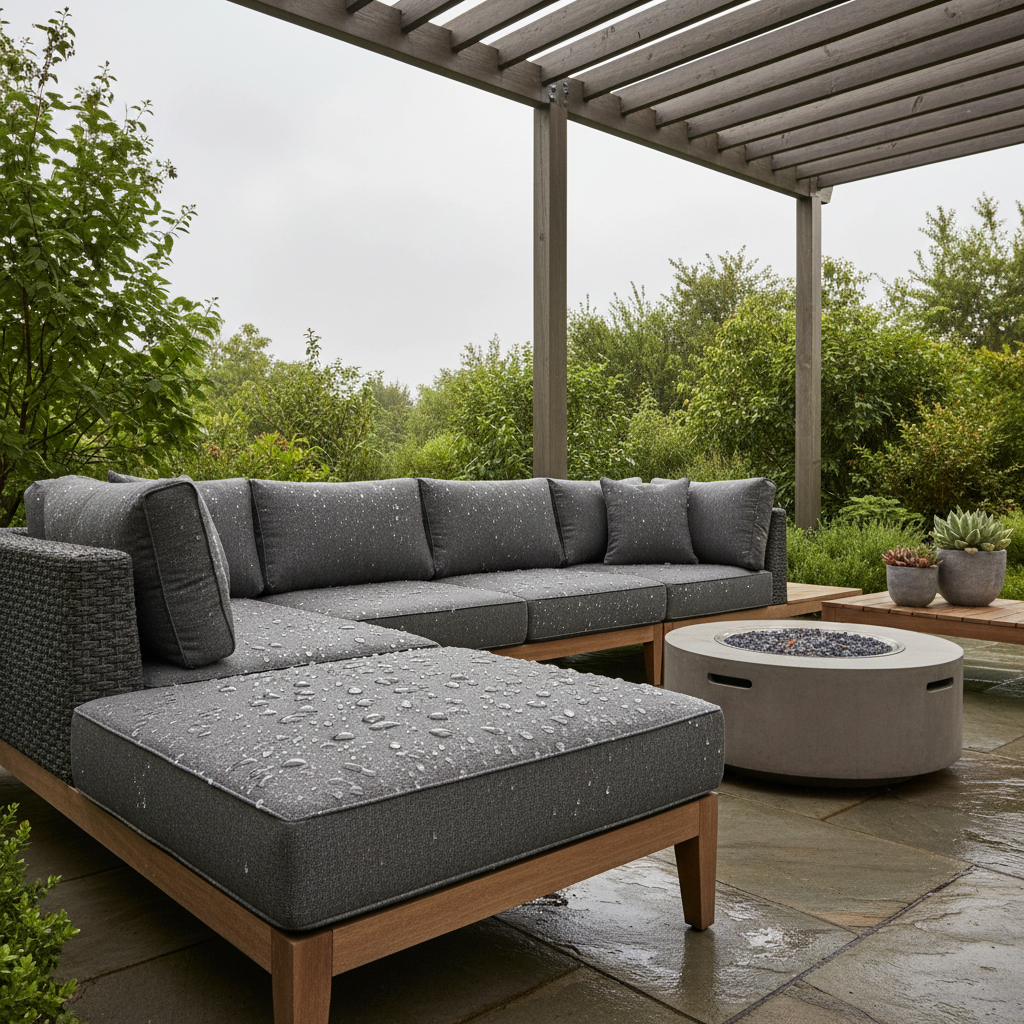
What “waterproof” really means for cushion covers
On product pages, “waterproof” can mean very different things. Some covers resist splashes, others tolerate hours of rain, and a few are truly waterproof but feel stiff and trap heat. For outdoor cushions, you usually want a balance: water resistance plus breathability, so moisture doesn’t get sealed inside.
- Water-resistant: repels light rain and spills, typically dries faster, often more breathable.
- Waterproof (coated/laminated): blocks water more completely, can feel less soft, may trap condensation.
- Seam and zipper design: even great fabric fails if seams wick water or the zipper sits on top with no flap.
According to the U.S. Environmental Protection Agency (EPA)..., moisture that lingers can contribute to mold growth indoors and outdoors, so fast-drying materials and good ventilation matter, especially in humid regions.
Key materials to look for (and how they behave outside)
Most washable patio cushion covers fall into a few common fabric families. The “best” choice depends on your weather, sun exposure, and whether kids, pets, and food are part of the daily routine.
Solution-dyed acrylic (premium feel, strong fade resistance)
Solution-dyed acrylic is popular for good reason: color is built into the fiber, so fading slows down compared with many printed fabrics. Many versions also have a water-repellent finish.
- Best for: strong sun, high-end patio sets, frequent use.
- Watch for: not always fully waterproof, so look for a good zipper flap and quality stitching.
Polyester with a PU coating (budget-friendly, better water block)
Coated polyester often gives stronger water protection at a lower price. The tradeoff is breathability and, sometimes, long-term peeling if washed aggressively or left baking in direct sun for years.
- Best for: rainy climates, uncovered patios, value buys.
- Watch for: coating care instructions, heat sensitivity in dryers.
Olefin (polypropylene) (practical, quick dry)
Olefin tends to be tough and quick to dry. Many people like it for pool areas because it handles moisture well, though the hand-feel can be less “cushiony luxury” than acrylic.
- Best for: pool decks, high humidity, everyday wear.
- Watch for: check UV rating claims carefully, and look for reinforced seams.
A quick comparison table: choose by your patio reality
If you’re trying to decide fast, this matrix is usually more helpful than marketing labels.
| Scenario | Recommended fabric direction | Closure details to prioritize | Washability notes |
|---|---|---|---|
| Uncovered patio, frequent rain | Coated polyester or laminated blend | Covered zipper, tight seams, piping | Gentle wash, air dry to protect coating |
| Full sun, hot summers | Solution-dyed acrylic or UV-stable olefin | Durable zipper, double stitching | Cold wash, avoid high heat drying |
| Pool area, lots of damp towels | Olefin or quick-dry acrylic | Rust-resistant zipper pulls | Rinse cycles help reduce chlorine residue |
| Kids/pets, food outdoors | Stain-resistant acrylic or coated polyester | Easy-on/off zipper placement | Look for machine-wash instructions, not “spot clean only” |
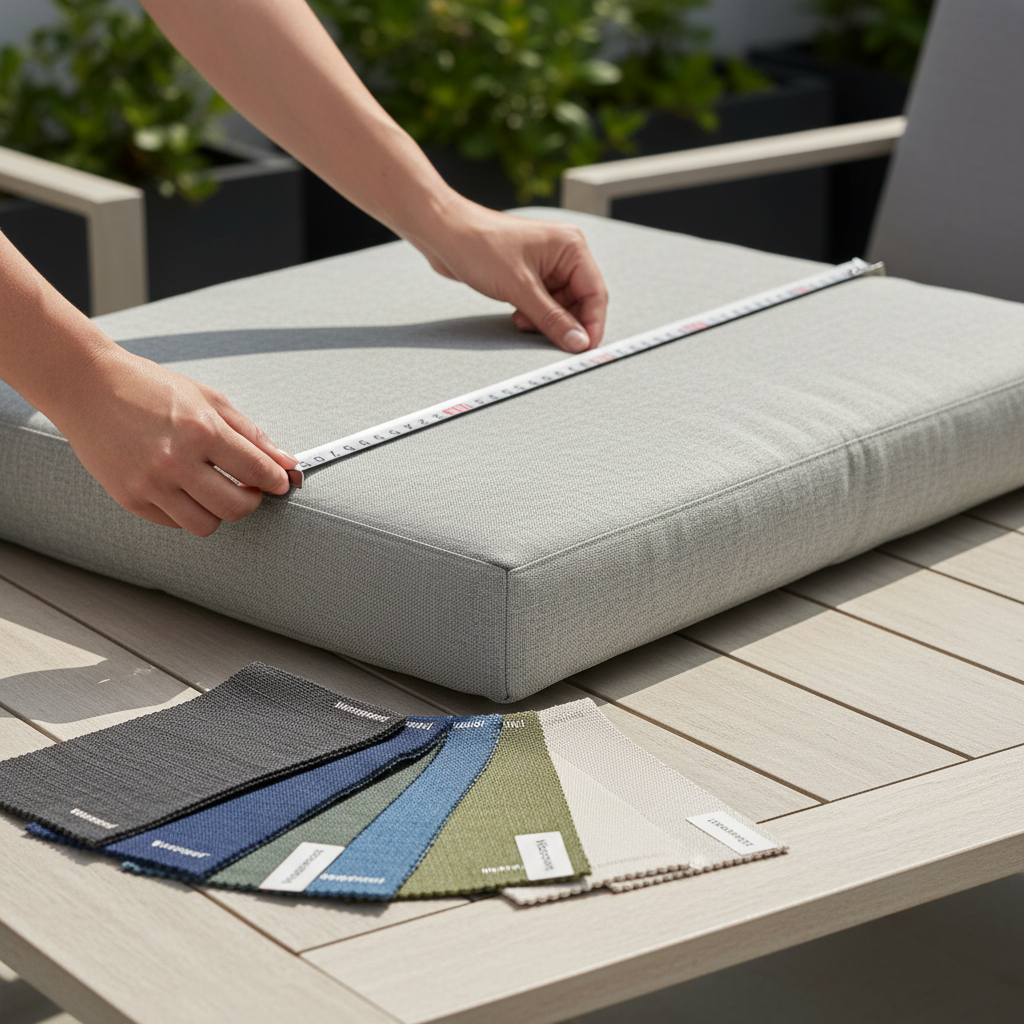
Fit matters more than people expect: measuring that prevents sag and leaks
Even the best outdoor cushion covers waterproof won’t perform well if they fit sloppy. Loose covers pool water on top and rub at corners, tight covers stress seams and zippers. You want “snug, not stretched.”
Measurement checklist (do this before you shop)
- Width: left to right across the cushion face.
- Depth: front to back.
- Thickness: height of the cushion, measure at the thickest point.
- Corner style: boxed corners vs. rounded edges, this changes how tailored it looks.
- Back cushions: many sets have slightly tapered or taller backs, measure separately.
Practical rule: if you’re between sizes, many manufacturers recommend going slightly smaller for a cleaner look, but only if the zipper and seams are built for tension. If the fabric feels stiff or coated, sizing too small can be a fast way to pop stitching.
Waterproof + washable: how to avoid ruining the protective finish
Washability is where a lot of “waterproof” covers quietly fail. High heat, harsh detergents, and fabric softeners can strip water-repellent treatments or damage coatings. If the label reads “spot clean only,” it can still be fine outdoors, but it’s not what most families actually want.
Care steps that usually work (always follow the label first)
- Shake off debris outside before washing, grit acts like sandpaper in the wash.
- Use cold water and a gentle cycle, skip bleach unless the brand explicitly allows it.
- Avoid fabric softener, it can reduce water repellency and leave residue.
- Air dry when possible, or tumble dry low if approved, high heat can warp coated layers.
If your covers are “water-resistant” rather than fully waterproof, many brands allow reapplying a spray-on water repellent after several washes. That step feels fussy, but it’s often the difference between “still beads water” and “now it soaks in.”
Buying checklist: what to verify before you click “add to cart”
This is the part that saves returns. Product photos don’t show seam tape, zipper guards, or whether the fabric pills after a month.
- Zipper protection: look for a covered zipper or storm flap, not an exposed zipper track.
- Thread quality: UV-resistant thread holds up better in sun-heavy locations.
- Seams: double stitching or reinforced seams at corners reduces blowouts.
- Color strategy: medium tones hide pollen and dust; very dark shades can show salt and sunscreen marks.
- Return policy: outdoor covers are sizing-sensitive, so easy exchanges matter.
Key takeaway: if a listing only says “waterproof” but doesn’t describe fabric type, closure construction, or care instructions, treat it as a risk, even if reviews sound excited.
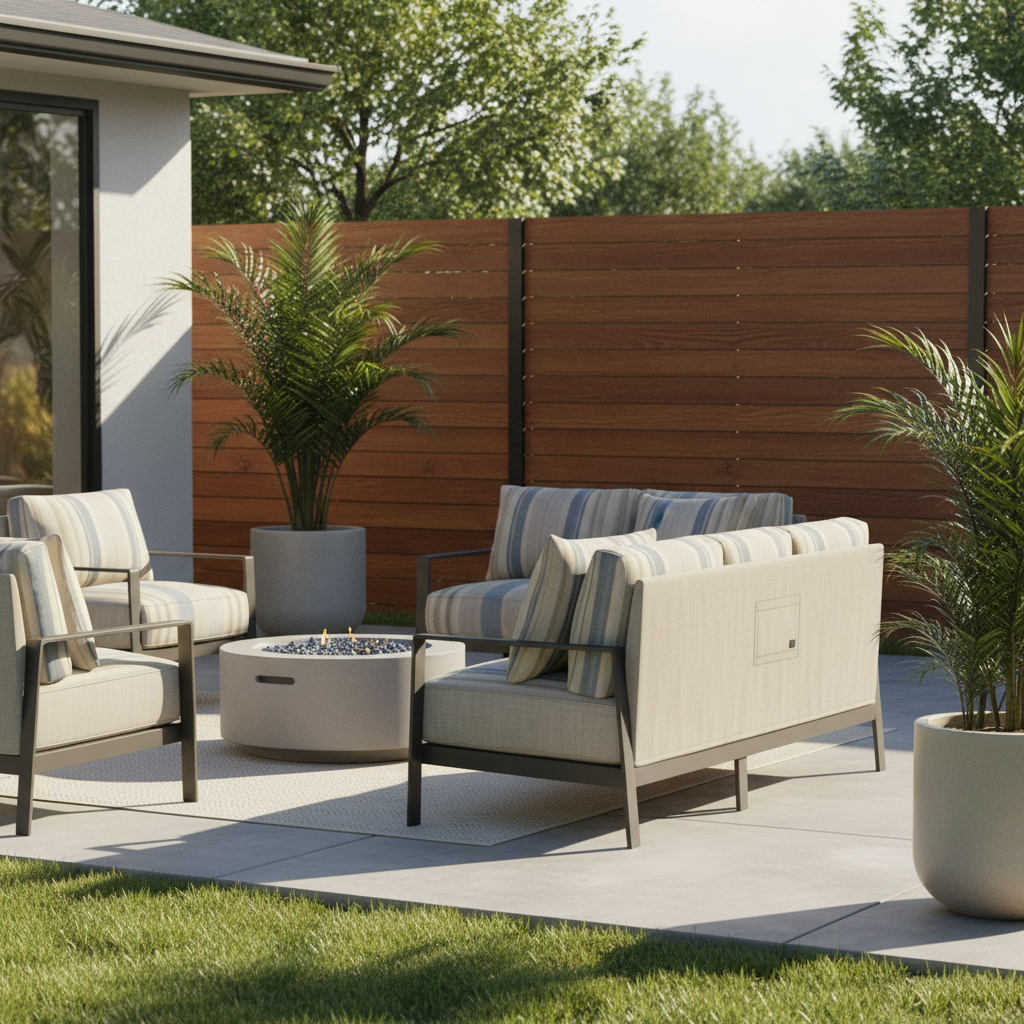
Practical setup tips: keeping cushions dry between storms
Even with strong covers, the setup around the cushion makes a difference. Water tends to sneak in from the bottom or get trapped underneath, then you wonder why things smell off a week later.
- Store cushions upright after rain so water runs off instead of pooling.
- If your cushions sit on a solid deck box or flat surface, add airflow with a small spacer or slatted base.
- After heavy rain, unzip slightly in a covered area to vent moisture, then re-zip once dry.
- If you use separate furniture covers, avoid sealing damp cushions under them overnight.
According to the Centers for Disease Control and Prevention (CDC)..., controlling moisture is a core step in preventing mold issues, so drying and ventilation are not just “nice to have,” especially for households with allergies who may want to be more cautious.
Conclusion: how to choose confidently
If you want the best outdoor cushion covers waterproof and washable, focus less on the headline claim and more on the combination of fabric, seam/zipper design, and realistic care. A cover that can’t be washed the way you actually live will end up replaced early, no matter how good it looks on day one.
Two simple next moves: measure every cushion (including backs), then shortlist covers that clearly state fabric type and washing guidance, plus a covered zipper design. You’ll spend less time fighting mildew smells and more time using the space.
FAQ
- Are “waterproof” outdoor cushion covers completely rainproof?
Many are highly water-resistant, but true rainproof performance depends on seams, zipper guards, and whether water pools on the cushion. In real patios, construction matters as much as fabric. - What fabric is best for outdoor cushion covers in full sun?
Solution-dyed acrylic is often chosen for sun exposure because color runs deeper in the fiber. Olefin can also work well; check for UV-focused claims and solid stitching. - Can I machine-wash coated waterproof cushion covers?
Often yes, but usually on cold and gentle, and many brands recommend air drying. High heat and harsh detergents can shorten the life of the coating. - Why do my “waterproof” covers still smell musty?
Moisture can get trapped inside from humidity, condensation, or water entering through seams/zipper areas. Venting and fully drying between uses tends to help more than masking sprays. - Should I size up or down for a tighter fit?
Most people prefer a snug fit, but sizing down too much can stress zippers and seams, especially with stiffer coated fabrics. If you’re between sizes, check the brand’s fit notes and return policy. - Do I need to reapply a water-repellent spray after washing?
Sometimes. If you notice water no longer beads on the surface after several washes, a compatible spray-on treatment can restore repellency, assuming the manufacturer allows it.
If you’re trying to replace mismatched, faded covers and want a more “set it and forget it” result, it may help to choose one fabric family and color line for all cushions, then order with measured sizes and a zipper-flap design so waterproof performance and everyday washability stay in balance.