
Best stainless steel food containers usually come down to one thing you feel on day one: do they leak in your bag, and do they still seal after a few weeks of real use. If you pack lunches, meal prep, or carry saucy leftovers, “stainless” alone won’t save you, the lid design and seal quality matter more than people expect.
Plastic containers can be convenient, but many households want something that feels sturdier, doesn’t hang on to smells, and holds up to daily washing. Stainless steel checks a lot of those boxes, but only if you buy the right style for how you eat, commute, and store food.
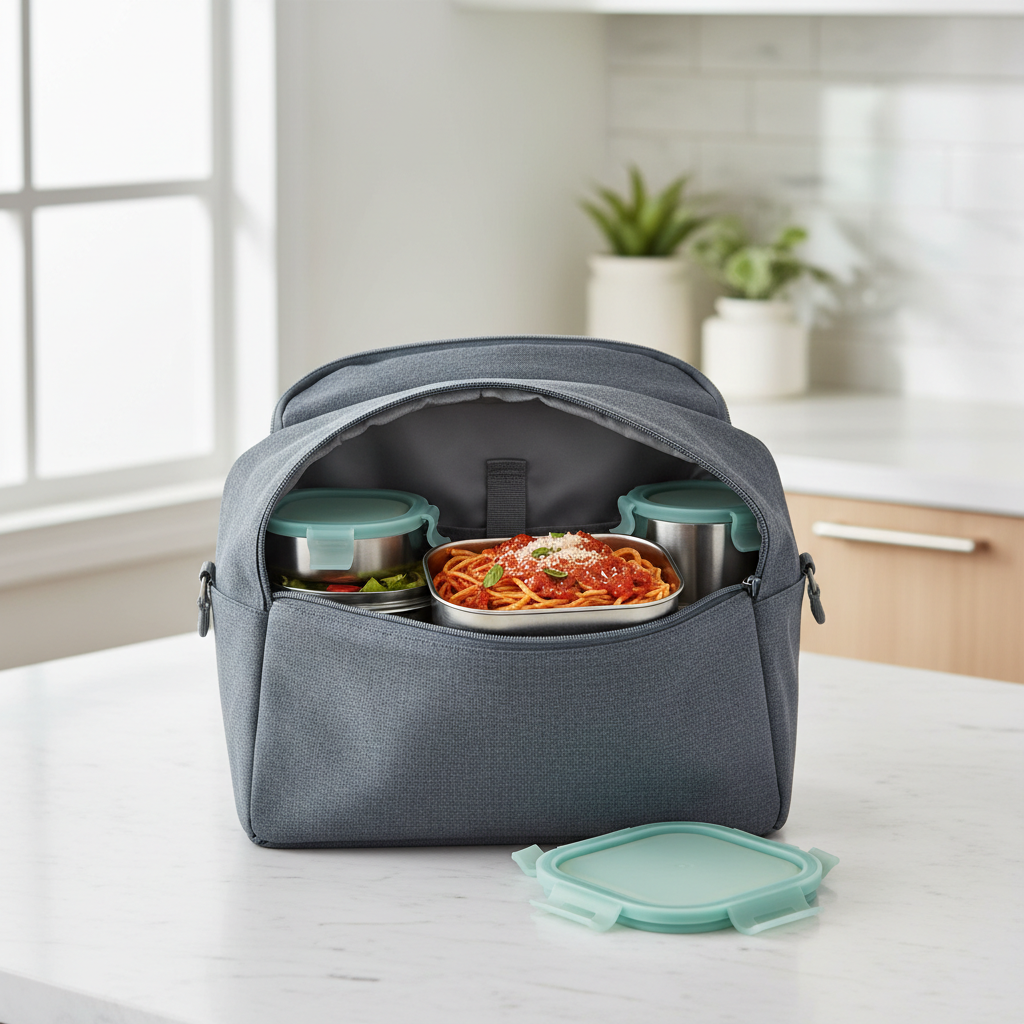
This guide focuses on leak-proof performance, everyday practicality, and what to look for before you spend money. You’ll also get a quick comparison table, a simple self-check, and buying tips that match common US routines, office lunches, school lunches, and meal prep.
What “leak-proof” really means with stainless containers
People use “leak-proof” loosely. In practice, there are a few different leak situations, and stainless containers handle them differently.
- Seep-proof (good for moist foods): A lid may keep sandwiches and cut fruit fine, but can seep with thin liquids like soup.
- Leak-resistant (OK for short trips): Handles thicker sauces in a level bag, but may fail if flipped or squeezed under a laptop.
- Truly leak-proof (what you want for commuting): Uses a continuous gasket and firm locking force, stays sealed when tipped and jostled.
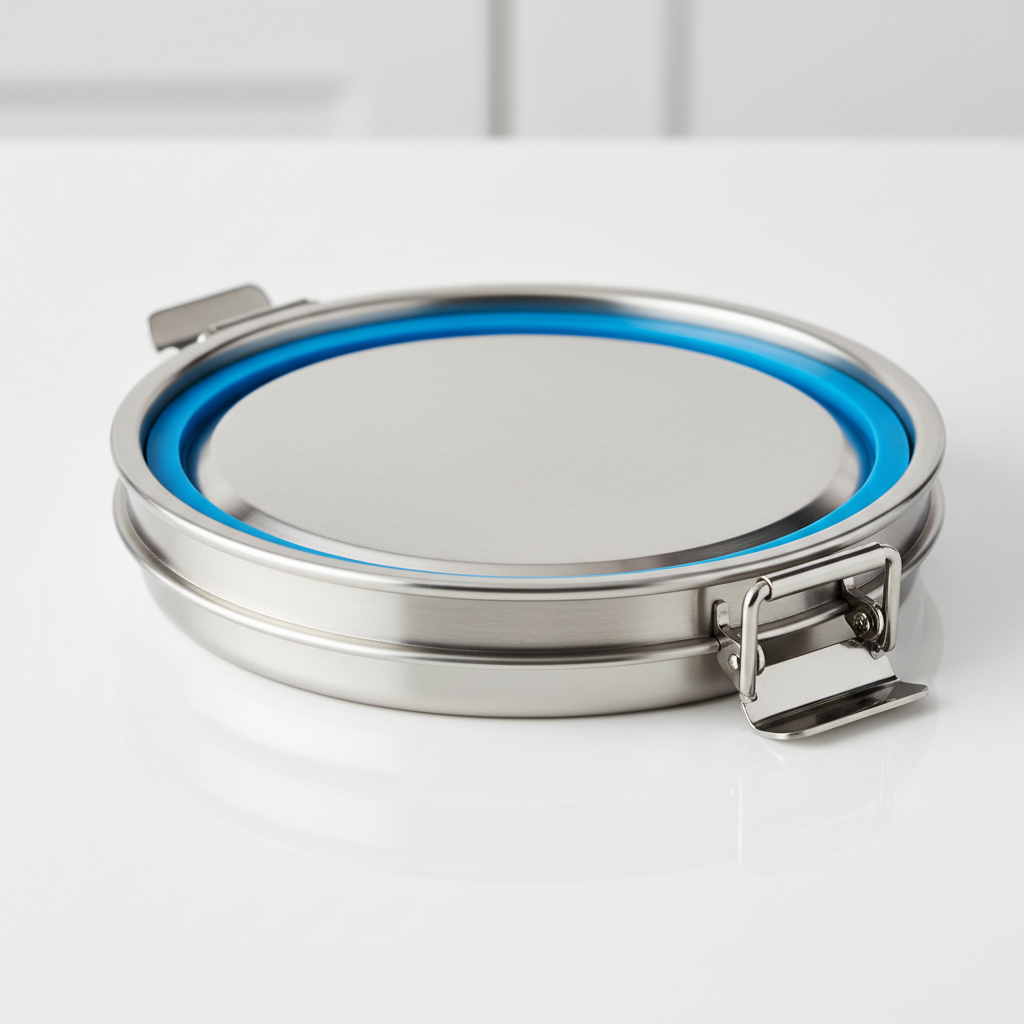
A common surprise: stainless steel containers often rely on a silicone gasket for sealing, so leak-proof depends more on gasket shape, lid stiffness, and how evenly pressure is applied than on the bowl itself.
Why some stainless containers still leak (real-world causes)
If you’ve had “leak-proof” containers leak, it’s usually not user error, it’s a mismatch between design and use. Here are the patterns that show up again and again.
- Gasket gaps or shallow channels: If the silicone ring doesn’t sit in a deep groove, it can shift during washing and create tiny gaps.
- Uneven lid pressure: Lids that press down only at the edges, or flex in the middle, can lift slightly when your bag compresses.
- Thin liquids + temperature swings: Warm food cooling can create a slight vacuum; in some designs, that helps, but in others it warps the seal and encourages seepage.
- Overfilled containers: Many stainless bowls have less “headspace” than you think; filling to the brim pushes food into the gasket area.
- Wear from dishwashers and scrubbing: Stainless holds up well, but gaskets can stretch, and some plastic lids can warp from high heat.
According to the U.S. Food & Drug Administration (FDA) guidance on food contact materials, consumers should use food-safe materials and follow manufacturer care instructions to reduce potential issues over time. In plain terms, the “care” part matters: a lid that survives daily high-heat cycles is a different product than one meant for occasional hand-wash use.
Quick comparison table: which style fits your food?
If you just want the fastest way to narrow choices, match the container style to what you actually pack most days.
| Container style | Best for | Leak-proof potential | Watch-outs |
|---|---|---|---|
| Stainless bowl + snap-lock lid | Salads, rice bowls, pasta | High (with full gasket) | Latches can loosen; gasket must be seated |
| Stainless box + silicone wrap lid | Sandwiches, snacks | Medium | Often not soup-safe; can pop off under pressure |
| Stainless container with threaded lid | Dressings, dips, some soups | Very high | Slower to open; threads need cleaning |
| Stainless bento (multi-compartment) | Dry + wet separated | Varies | Compartments often not individually sealed |
A quick self-check before you buy
This is the part most shopping pages skip, but it saves money: buy for your commute and your food habits, not for a product photo.
- You need true leak-proof if you pack soup, curry, oatmeal, or anything you’d hate to clean out of a backpack.
- You need easy-open if kids use it, or you open containers one-handed between meetings.
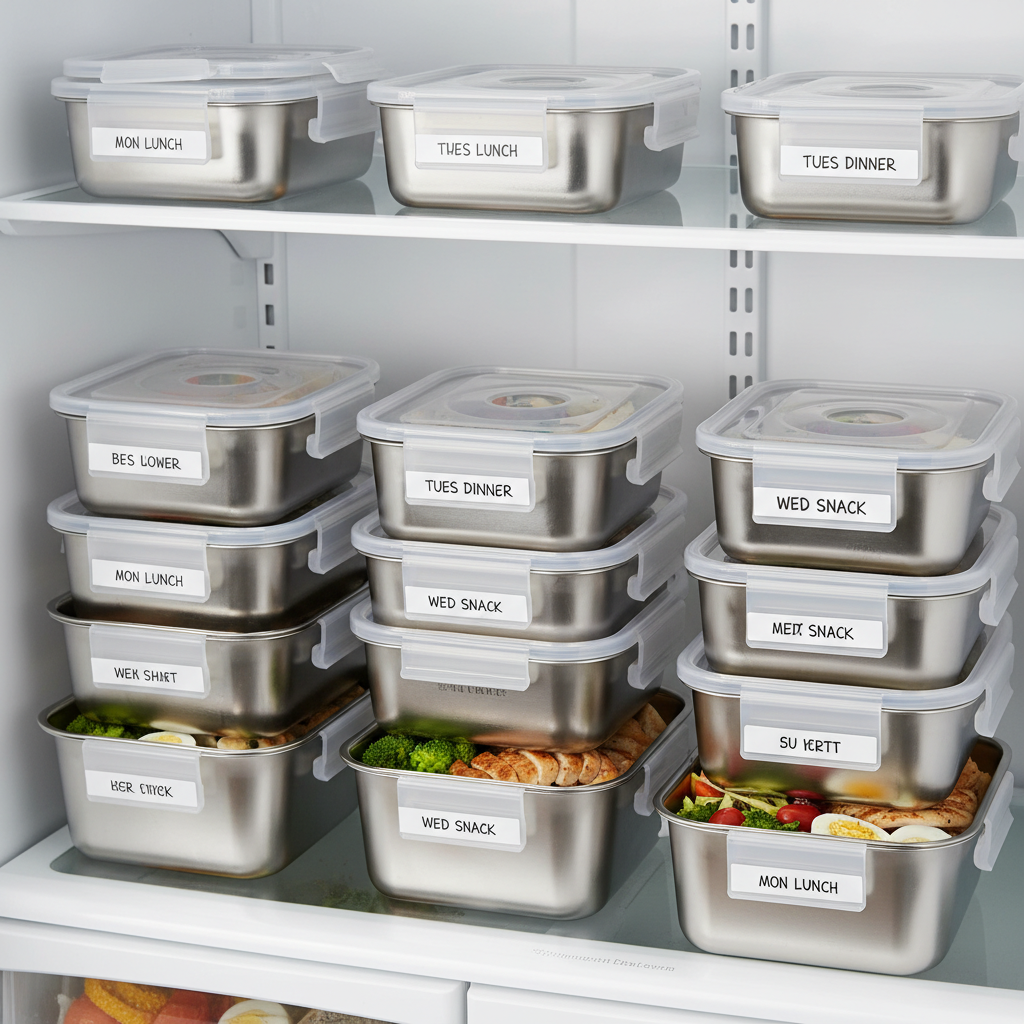
- You need stackability if meal prep means 5–10 containers in a fridge.
- You need lightweight if you walk far or already carry a laptop.
- You need freezer-friendly if you batch cook, but note some stainless lids/gaskets behave differently at low temps.
If you check three or more of these boxes, it’s usually worth paying a little more for better lid engineering and replaceable gaskets. That’s where many of the best stainless steel food containers separate themselves from “pretty good” options.
What to look for in the best leak-proof stainless containers
Lid design: locking force beats “tight fit”
A lid that merely “presses on” can feel snug, but locking tabs or a threaded design typically maintain pressure more consistently during a commute. If the product relies on friction alone, leaks are more likely when the container gets squeezed in a crowded bag.
A continuous silicone gasket (and the ability to replace it)
Look for a full perimeter gasket, not small silicone dots. Replaceable gaskets matter because they’re the part most likely to stretch, tear, or disappear during dishwashing.
Headspace and rim shape
Containers that have a slightly taller rim and defined gasket channel handle saucy foods better. If the rim is very flat and shallow, filling and closing becomes finicky, especially when you’re rushing in the morning.
Size mix that matches real portions
- 10–16 oz: snacks, cut fruit, yogurt, sides
- 20–32 oz: main meals (rice bowls, pasta)
- 40+ oz: meal prep batches, family leftovers
Many sets look like a deal but include awkward sizes you won’t reach for. In many US households, a 3–4 size mix works better than 8 containers that all feel “almost right.”
How to use stainless containers so they don’t leak (practical steps)
Even solid containers can fail if you treat them like a mason jar. A few habits make a noticeable difference.
- Seat the gasket after every wash: run your finger around the channel, check for twists or gaps.
- Leave a little headspace: especially for soups and thin sauces, give it room so food doesn’t press into the seal.
- Cool hot food briefly: warm food isn’t “wrong,” but steam and temperature changes can stress some lids; when in doubt, let it stop steaming heavily before closing.
- Pack smart: keep liquids upright, avoid placing a heavy book directly on top of the lid.
- Test once at home: fill with water, seal, flip over in the sink for 30 seconds, you’ll learn more than any listing photo.
According to the USDA food safety guidance, prompt refrigeration and safe holding temps matter for perishable foods. Containers help with transport, but if you’re carrying foods like dairy, meat, or cooked grains for hours, a cold pack and insulated bag may be a safer routine, and if you have health-related concerns it’s sensible to ask a qualified professional.
Common mistakes that waste money (and how to avoid them)
Some buying mistakes are easy to spot after the fact, but annoying to live with.
- Assuming stainless means microwave-friendly: most stainless containers can’t go in microwaves; plan for transferring food or choose a microwave-safe setup.
- Ignoring lid availability: if replacement lids or gaskets aren’t easy to find, the “lifetime” container becomes disposable sooner than expected.
- Choosing ultra-thin steel to save weight: it can dent more easily, and dents near the rim can compromise sealing.
- Buying compartments for liquid foods: many bento designs separate food visually, but not hermetically, so sauces can migrate.
One more thing people overlook: a lid that’s “easy to open” can be a red flag for leak-proof needs. That doesn’t mean it’s bad, it means it’s probably meant for dry foods and short trips.
When it’s worth asking for extra help (or choosing a different setup)
If you’re packing food for someone with allergies, immune concerns, or strict dietary needs, container choice is only part of the system. You may want advice from a clinician or dietitian on safe storage times, or follow workplace/school policies closely.
Also consider a different setup if you routinely carry very hot soups, carbonated liquids, or foods that build pressure. In those cases, a dedicated thermos-style food jar can be more predictable than a wide lunch container.
Conclusion: a simple way to pick the right one
The best stainless steel food containers for most people are the ones with a firm locking lid or threaded closure, a continuous silicone gasket you can replace, and sizes that match what you actually eat Monday through Friday. If leaks are your pain point, prioritize the seal design over extra accessories.
Pick one container, run the at-home flip test, and see how it behaves in your bag for a week. Then build your set around that winner, it’s a calmer way to shop than buying a big bundle and hoping.
FAQ
What are the best stainless steel food containers for soups that won’t leak?
Look for a threaded lid or a snap-lock lid with a full silicone gasket and strong latches. Wide “press-on” lids often struggle with thin liquids when tipped.
Are stainless steel food containers safe for acidic foods like tomato sauce?
Many stainless containers handle acidic foods well, but grades and finishes vary by brand. If a manufacturer gives food-contact guidance, follow it, and if you notice metallic taste or pitting, switch containers and consider asking a professional for advice if you have sensitivities.
Can I put stainless steel food containers in the dishwasher?
Often yes for the steel base, but lids and gaskets are where problems show up. If the lid warps or the gasket stretches, leaks follow, so check care instructions and consider hand-washing lids if you’re seeing wear.
Why does my stainless container leak only sometimes?
Intermittent leaks usually come from a slightly unseated gasket, overfilling, or a bag that compresses the lid at an angle. A quick gasket check and leaving more headspace fixes many “random” leaks.
Do stainless containers keep food colder or hotter than plastic?
Stainless can feel cooler to the touch, but temperature retention depends more on insulation and your bag setup than the bowl material alone. For long holds, an insulated lunch bag and cold pack matter more than swapping materials.
How do I remove smells from stainless steel food containers?
Stainless typically holds less odor than plastic, but gaskets can retain smells. Washing the gasket separately and letting it air-dry fully helps, and mild baking soda soaks may work in many cases.
What size stainless food container is best for meal prep?
Many people do well with a 20–32 oz size for mains plus a 10–16 oz for sides. If you prep bulky salads, going larger can help, but stackability in your fridge becomes more important.
Are stainless steel food containers microwave-safe?
Usually no, stainless shouldn’t go in a microwave. If you reheat at work, plan to transfer food to a microwave-safe bowl or choose a different container material for that specific use.
If you’re trying to choose a set and want a more “no surprises” approach, start by listing the wettest thing you pack each week, then buy one leak-focused container that matches that use. Once you know it seals reliably in your actual bag, building the rest of your kit becomes much easier and cheaper.